
2020: Looking Back
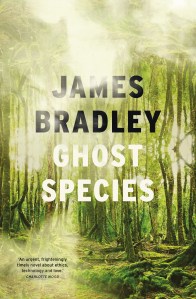
I’ve already done a roundup of some of my favourite books of the year, so I thought I might pull together a list of some of my own publications over the past twelve months.
The one that matters most to me is my new novel, Ghost Species, which was released in Australia at the end of April. That was obviously a disorienting time to be publishing anything, but I’m incredibly grateful to the readers who have taken the time to read it and found something in it that speaks to them, because it’s a book that means a great deal to me.
If you’d like to know more about Ghost Species I wrote about the inspiration behind it for The Guardian. Alternatively you might want to read J.R. Burgmann’s review of it in Australian Book Review, Ian Mond and Gary K. Wolfe’s reviews in Locus, or James McKenzie Watson’s review in The Newtown Review of Books. Otherwise you could check out one of the various interviews I did about the book (The Garrett, Kill Your Darlings, Books, Books, Books, The Wheeler Centre, Sydney Writers Festival, Byron Bay Writers Festival, Backstory, AusChat). And if you’ve got a few minutes to spare you can see me reading from the opening section for the #LockdownReadingGroup or read an extract from the opening sections.
I was also incredibly fortunate to be involved in a collaboration organised by Brisbane Writers Festival in which the poet Shastra Deo responded to the novel in verse. I’m a huge admirer of Shastra’s work (her first book, The Agonist, is brilliant), and the interactive poem that she produced is completely breathtaking. I can’t recommend it enough.
If you’d like to buy Ghost Species it’s available in Australia as an ebook, online, or from all good bricks and mortar bookshops. If you’re outside Australia the ebook was released by Hodder Studio a few weeks ago, and the print edition will be available in the UK in February. Or you can listen to the audiobook, read by the wonderful Rupert Degas.
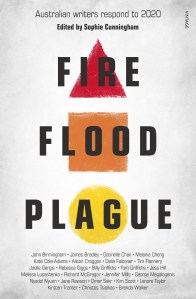
In addition to Ghost Species I published a number of pieces of non-fiction. Perhaps the most important of them to me personally was an essay about my mother, Denise, who died just as the pandemic really took hold, that was published as part of Sophie Cunningham’s wonderful anthology Fire Flood Plague: Australian Writers Respond to 2020. You can read Sophie’s introduction online, but if you haven’t seen a copy of the collection yet I very much recommend it: it’s a remarkable document of the experience of living through the past twelve months, but it’s also a book that offers a kind of roadmap for a new and better future, and I’m very grateful to have been a part of it.
I also had work in two other anthologies. The first – an essay about cuttlefish and deep time – appears in Cameron Muir, Kirsten Wehner and Jenny Newell’s brilliant Living with the Anthropocene: Love, Loss and Hope in the Face of Environmental Crisis, which also includes pieces by writers such as Tony Birch, Delia Falconer, Justine Hyde, Jennifer Lavers and Jo Chandler. It’s a major book, and I’m honoured to have been a part of it.
The final anthology in which I have work is Leah Kaminsky and Meg Keneally’s Animals Make Us Human. Conceived in the aftermath of last summer’s bushfires, it brings together articles and photos about animals by a host of writers, scientists and artists, with all proceeds going to the Australian Marine Conservation Society and the Australian Wildlife Conservancy. I wrote about magpies, but it’s a beautiful book, and would make a wonderful gift.
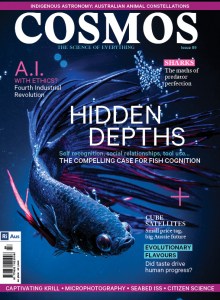
Other pieces I published this year included a reflection on the bushfires for The Guardian, ‘Terror, Hope, Anger, Kindness’, a long essay about civilisational collapse and hope in the face of climate catastrophe for Sydney Review of Books, ‘The Library at the End of the World’, an essay about water and time and the origins of the oceans that appeared as part of Griffith Review’s Elemental Summer series, ‘Into the Deep’, and a long article about the minds and sensory worlds of fish for Cosmos (you’ll have to buy the magazine to read the full piece, but you can read an excerpt online). I also reviewed David Mitchell’s Utopia Avenue (you can also hear me chatting to Australian Book Review’s Jack Callil about the book on the ABR podcast, and new books by David Attenborough and Tim Flannery. And if you still want more, I did a long conversation with the Anne Charnock (author of the excellent Bridge 108) about writing in a time of crisis for LA Review of Books, and appeared on Osher Günsberg’s Better Than Yesterday, as well as participating in a number of panels and conversations.
Around all that I’ve been lucky enough to get some work done. Or, to be more accurate, I’ve been lucky to have work to keep me going, because I’m not sure I would have made it through without it. Either way I’ve managed to pull together a draft of a new novel, and part of another; hopefully one or both of them will be finished some time next year. I’ve also written a bit less than half of a non-fiction project, which I’m aiming to complete over the next twelve months or so as well. For the moment, though, I just feel grateful to have made it through the past year relatively intact. I hope the same is true of all of you.
 I’m sure I’m not alone in feeling 2019 was a year when reading felt necessary, not so much as an escape from the world, but because the kinds of truths it communicates so often seemed an antidote to the increasingly demented and distracted world around us.
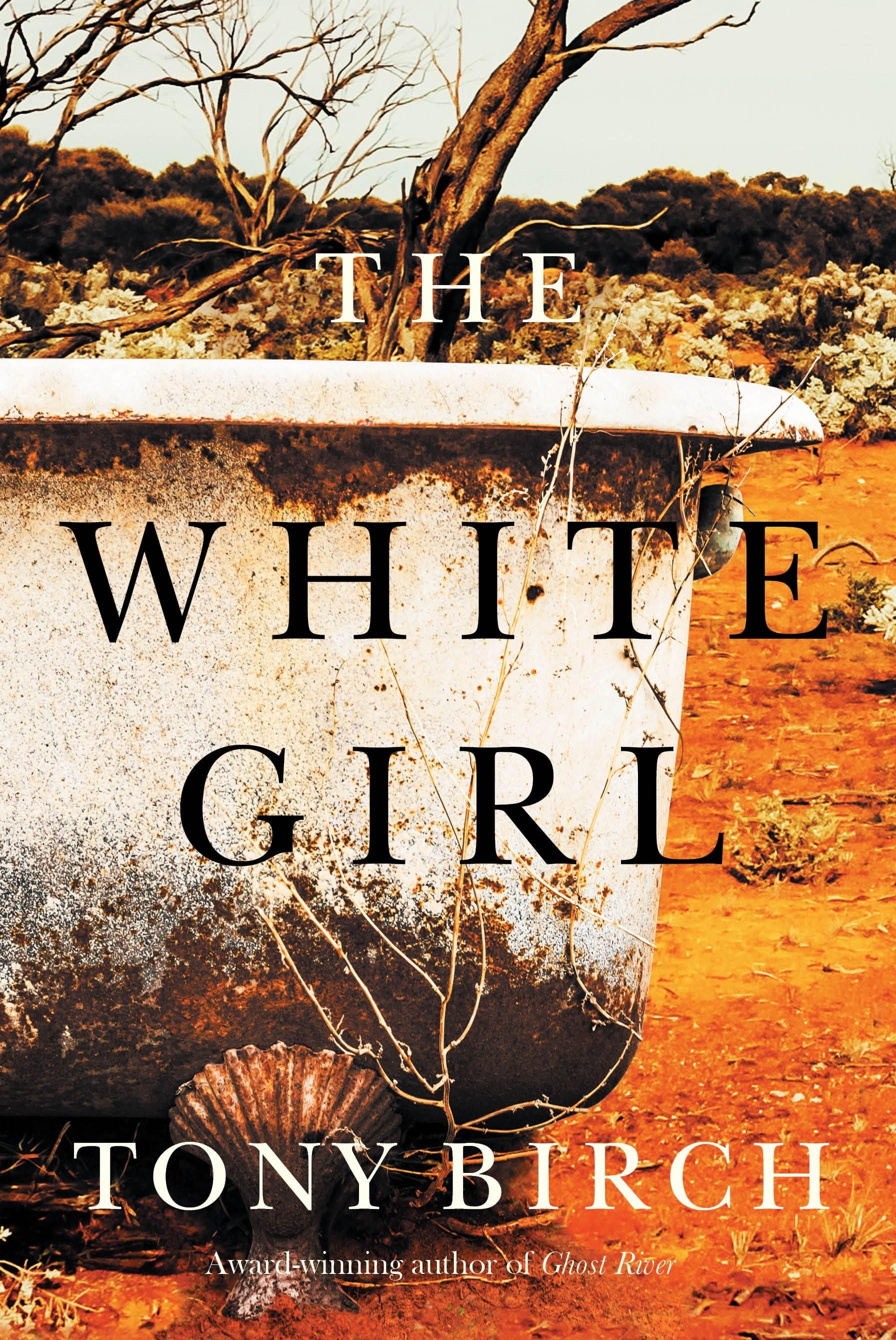 Other books I loved included Tony Birch’s The White Girl, a book whose power lies not just in its subject matter, but in the devastating simplicity and clarity of Birch’s storytelling; Bernadine Evaristo’s Man Booker-winning Girl, Woman, Other; Wendy Erskine’s marvellously compressed and blackly hilarious Sweet Home (seek it out); and Taffy Brodesser-Akner’s portrait of New York life amongst the super-rich, Fleishman is in Trouble, a book that subverts the reader’s expectations in fascinating ways. Likewise I greatly enjoyed Laila Lalami’s The Other Americans, Sean Williams’ Impossible Music, and (although I suspect it’s not the best of the Jackson Brodie books) I loved every moment of Kate Atkinson’s Big Sky.
 Sadly I was less excited by the final instalment in Karl Ove Knausgaard’s My Struggle, The End. Partly that was to do with the surfaces of the prose – in contrast to the deliberately artless language of the first five volumes a lot of The End has the slightly-too-buffed tone of a New Yorker profile – but it was also because it often felt like the book was rehearsing Knausgaard’s greatest hits (Here I am doing domesticity in excruciating detail! Here I am worrying about my art!). But in the end, even despite moments of brilliance, it just didn’t feel substantial enough to address the concerns that are so wrenchingly explored in the first five.
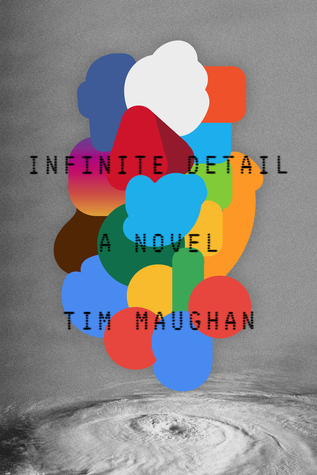 Of the speculative fiction I read the two standouts were Tim Maughan’s Infinite Detail and Chuck Wendig’s Wanderers. If you haven’t read the Maughan, make the time: it’s a startlingly intelligent and profoundly political interrogation of surveillance culture and late capitalism. The Wendig is also wonderful: a seamless fusion of horror and science fiction that manages to be oddly timeless and incredibly topical. Ted Chiang’s Exhalation and Helen Phillips’ The Need are also terrific, as are Garth Nix’s wildly enjoyable Angel Mage and Margaret Morgan’s sleekly subversive The Second Cure, a book that feels more prescient almost by the hour. And although it seems to have passed a lot of people by, Ann Leckie’s The Raven Tower is an absolutely fascinating exercise in what is as much a form of environmental writing as fantasy.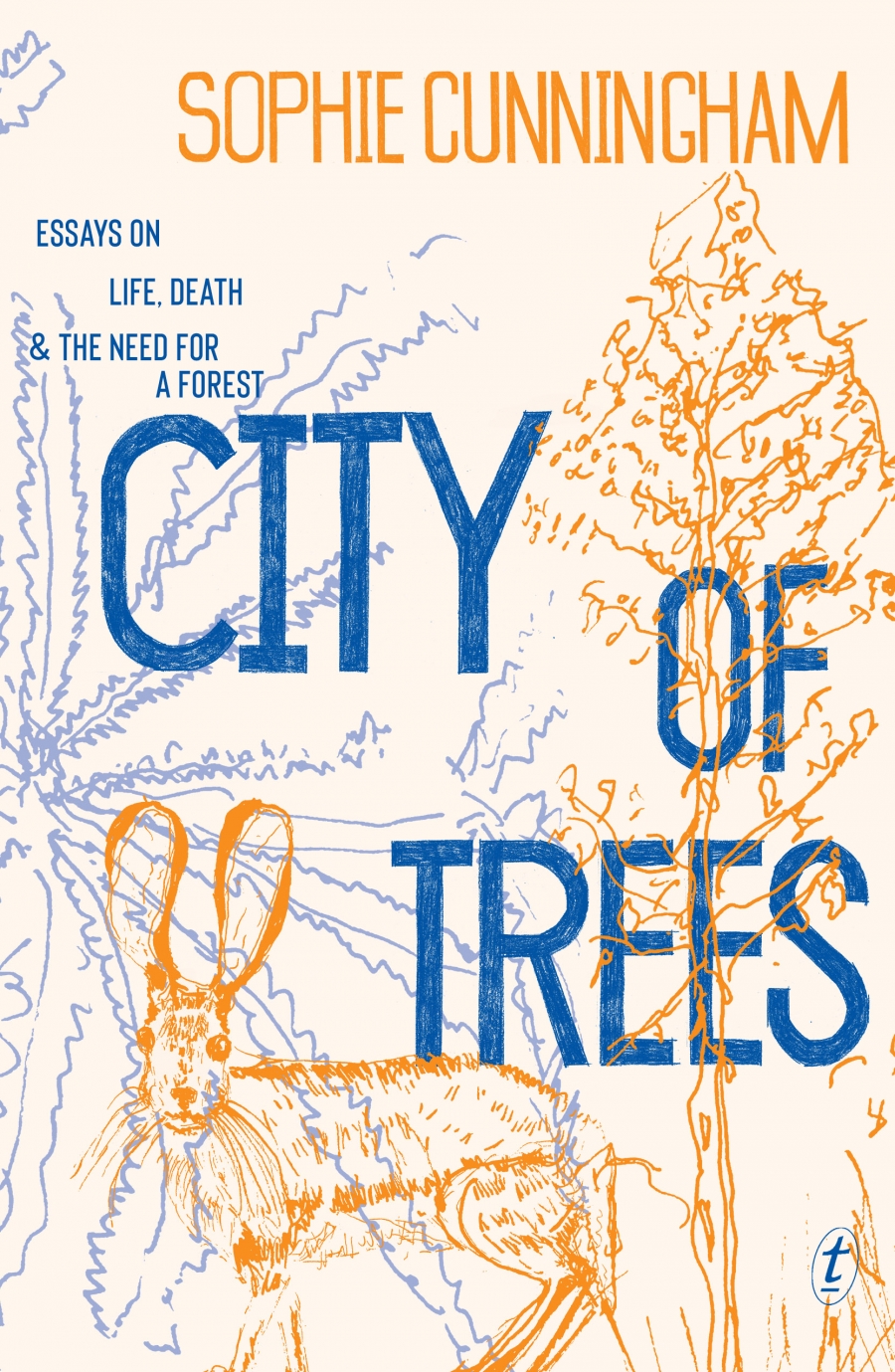
 It’s that time of year, so because what the world needs is yet another best of the year list (surely it’s time we all went meta and started producing lists of the best best of lists?) I thought I’d pull together a quick roundup of some of the books I loved this year (if I get the time I’ll also put together a few music picks).
 I also hugely admired Annie Proulx’s monumental
  I’m not sure it would be correct to say I loved Adam Haslett’s
 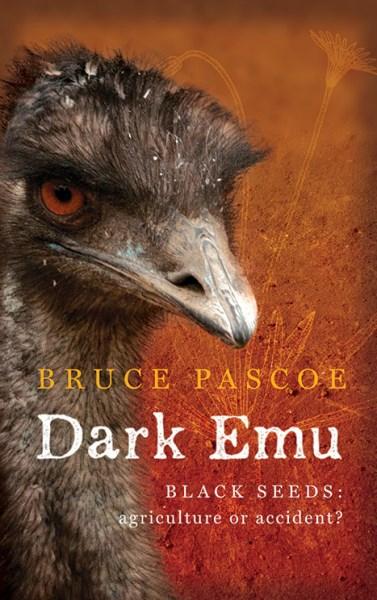 In terms of non-fiction, my pick of the year is Bruce Pascoe’s brilliant study of pre-contact Aboriginal agriculture and technology, Dark Emu. There aren’t many books I think every Australian should read but Pascoe’s is definitely one of them. I also very much admired Amy Liptrot’s Wainwright Prize winner,
 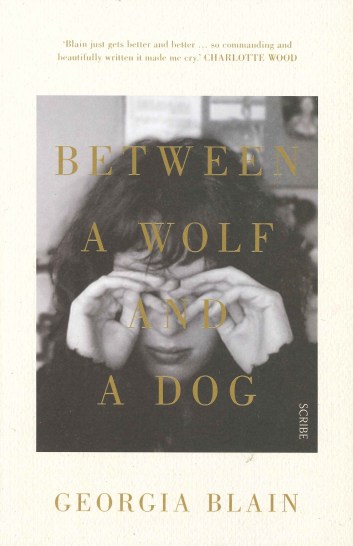 And finally, although my experience of it was tinged with great sadness, I loved my friend Georgia Blain’s final novel,
 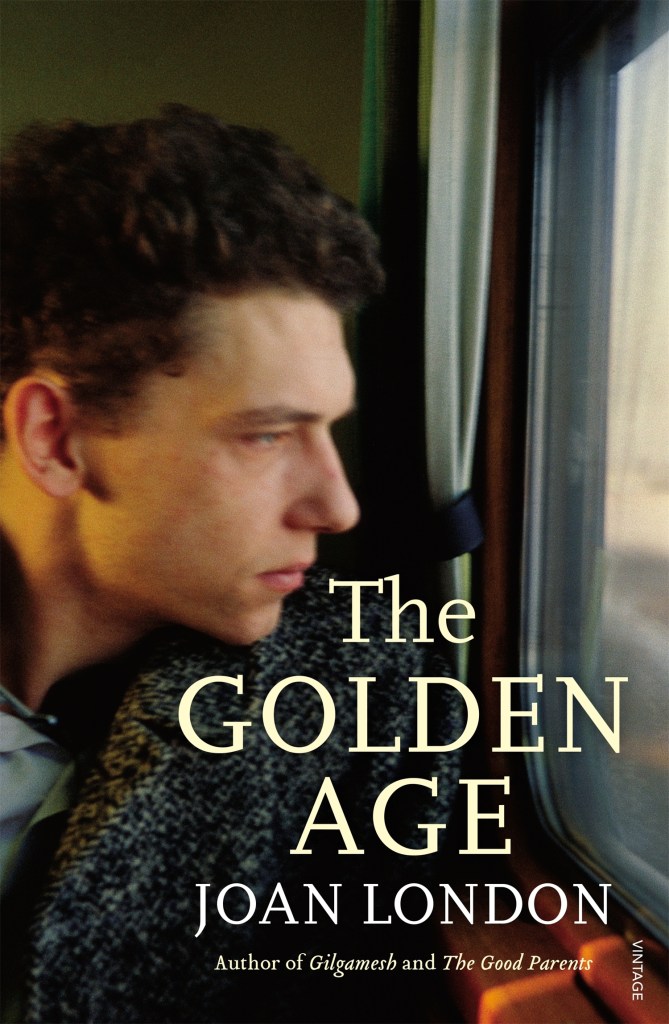 I’d hoped to get this up last Friday, but I ended up holding off because The Weekend Australian’s Best Books feature didn’t run until Saturday and I didn’t want to preempt my contribution to it. If you’ve got a few minutes I strongly suggest you take the time to
 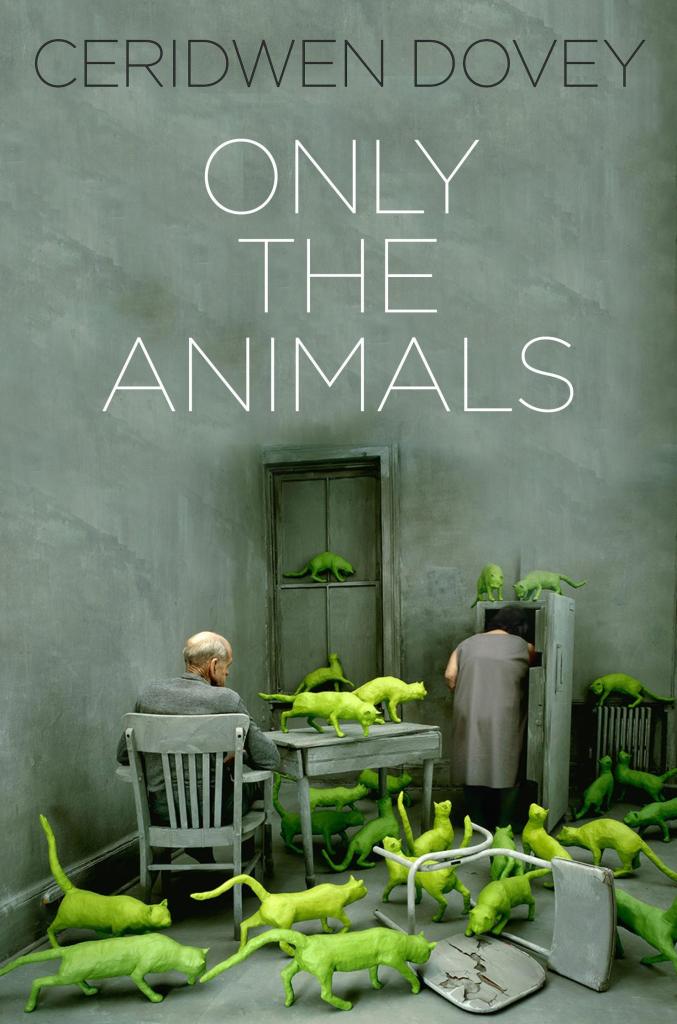 Moving further afield I also completely adored Ali Smith’s smart, sexy and very moving How to be both, Jenny Offil’s wonderfully fragmented and very witty Dept. of Speculation, and
 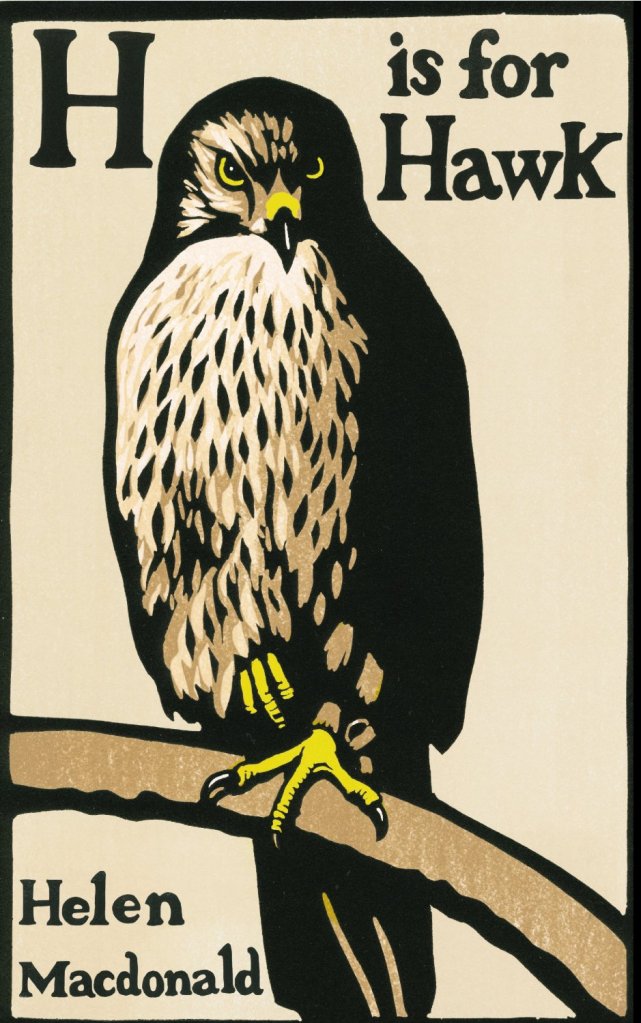 On the non-fiction front I loved
 After the acrimony surrounding the absorption of



 city of tongues