
Best Books 2020
When I sat down to select my favourite books of 2019, the east coast of Australia was ablaze, and Sydney, Canberra and Melbourne had been swathed in smoke for weeks on end. Twelve months later Sydney’s Northern Beaches are in lockdown, restrictions are being reimposed across the rest of the city, and the other states have closed their borders to New South Wales again.
Perhaps unsurprisingly therefore, a number of the best books I’ve read over the past year engaged with this sense of accelerating and multiplying catastrophe. Some of them do it by tracing the crosscurrents of dissonance and denial that inflect our culture in the way Jenny Offill’s Weather or Madeleine Watts’ The Inland Sea do. Others, like Anne Charnock’s terrific Bridge 108, explore the effects of displacement and social breakdown. And some explore the processes of resistance, violence and dispossession that underpin the larger crisis as Natalie Diaz’s Postcolonial Love Poem does.
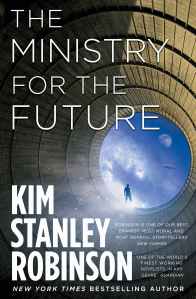
But the most significant was undoubtedly Kim Stanley Robinson’s The Ministry for the Future. The final book in the dazzling cycle of novels that began with 2312, and it simultaneously draws together and transcends many of the questions that are explored in those previous books, illustrating not just the scale of the crisis we inhabit, but mapping out a path toward a sustainable post-capitalist future. Like all Robinson’s novels it’s exhilaratingly dense with information and ideas, but it’s also deeply affecting. That’s partly because so much of what it depicts is so horrifying, but it’s also because while it insists on the imperative of hope, it doesn’t shy away from rage and despair. It’s an extraordinary achievement, and a book I wish everybody would read (I also highly recommend Ezra Klein’s interview with Robinson, which is one of the most consistently intelligent 90 minutes of media I consumed over the past twelve months).
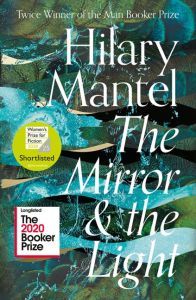
One of the other highlights of my reading year was The Mirror and the Light, the final instalment in Hilary Mantel’s Cromwell Trilogy. The consensus seems to be that the final quarter is the best bit, but I have to say I thought the depiction of the aftermath of Anne’s execution in the first 100 or 150 pages was simply astonishing, and captures the mute trauma and terror of a community that is suddenly inescapably aware that none of them are safe with great power. But part of what I found so compelling about those sections was the way they also expose the uncanny terror of state power. Mantel has explored the connections between violence and terror and death and undeath before, perhaps most notably in Beyond Black, but in The Mirror and the Light they take on a whole new set of resonances. And those opening sections are only one element of a genuinely remarkable creation.
Despite a lot of will-she won’t-she angst in the British media about the prospects of Mantel pulling off a Booker hat trick, The Mirror and the Light didn’t make the shortlist for this year’s prize, which instead went to Douglas Stuart’s terrific Shuggie Bain. As I said in my roundup of the Booker shortlist in The Weekend Australian, Stuart’s novel is notable not just for its refusal to sentimentalise Shuggie’s mother’s alcoholism, but for the astuteness of its portrait of the effects of addiction on children and, perhaps most remarkably of all, its immense capacity for forgiveness. I found it an enormously affecting and quietly devastating novel, and it’s been wonderful to see it finding such a wide readership.
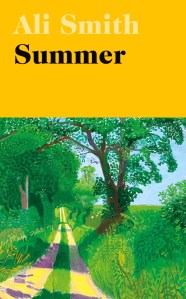
Other novels I loved included the final instalment in Ali Smith’s remarkable Seasons Quartet, Summer, Andrew O’Hagan’s wonderful Mayflies (a book that felt micro-targeted at me and my interests), Anne Enright’s Actress, Deb Olin Unferth’s wonderfully off-kilter novel about chickens and activism, Barn 8, Emily St John Mandel’s brilliantly structured The Glass Hotel, Daisy Johnson’s splendidly unsettling Sisters, Lily King’s lovely, warm, wise Writers and Lovers, Vigdis Hjorth’s merciless Will and Testament (make the time), Maggie O’Farrell’s Hamnet, and Sigrid Nunez’s follow-up to The Friend, What Are You Going Through. The two story collections I most enjoyed were Emma Cline’s Daddy and Ashleigh Bryant Phillips’ fabulously compressed Sleepovers (seek it out: I promise it will be worth it).
At the more speculative end of the spectrum, I was blown away by M. John Harrison’s compellingly strange The Sunken Land Begins To Rise Again, a book that elides boundaries of all kinds, so reading it makes the world around you feel uncertain in all sorts of ways. It’s also a novel that invites all kinds of readings, but the one I kept coming back to was the way its emphasis on the watery, floods and transformation echoes Amitav Ghosh’s description of the “insistent, inescapable continuities of the Anthropocene”. I also loved Garth Nix’s delightfully playful and effortlessly entertaining The Left-handed Booksellers of London, a book that might well be my favourite of Nix’s novels, Paul McAuley’s emotionally expansive and affecting reworking of the Samurai and Western in the far future, War of the Maps, and William Gibson’s terrific follow-up to The Peripheral, Agency, a book that plays with our assumptions about the future and contingency with sly wit and deadly seriousness. Wit is also available in abundance in Natalie Zina Walschots’ hugely entertaining reworking of the superhero genre and the modern workplace, Hench, and Lev Grossman’s delightful excursion into children’s fantasy, The Silver Arrow, whereas Susanna Clarke’s Piranesi is a strange conjuring trick that draws upon many of the tropes and preoccupations of classic fantasy while also taking them somewhere that feels startlingly new. And I hugely enjoyed both Stephen Graham Jones’ The Only Good Indians and Cherie Dimaline’s Empire of Wild.
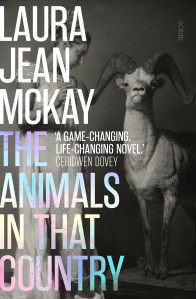
Although there are a host of things I still haven’t got to (Robbie Arnott’s The Rain Heron! Nardi Simpson’s Song of the Crocodile! Andrew Pippos’ Lucky’s! Elizabeth Tan’s Smart Ovens for Lonely People!) I read a lot of Australian fiction I hugely admired, perhaps most notably Laura Jean McKay’s gloriously weird and feral The Animals In That Country, Chris Flynn’s delightfully deadpan deep time comedy, Mammoth, Lauren Chater’s beautifully constructed and expansive reworking of the silences in Swift, Gulliver’s Wife, Kate Mildenhall’s gripping The Mother Fault, the next instalment in the historical sequence Jock Serong began in Preservation, The Burning Island, Kristen Krauth’s terrific Almost a Mirror and Luke Horton’s terrific debut, The Fogging (if you’re interested, you can hear me and Luke chatting on The Book Show).
Of the non-fiction I read, I loved Julia Baird’s elegant and wise Phosphorescence: On Awe, Wonder And Things That Sustain You When The World Goes Dark, a book I read at just the right moment, David Farrier’s marvellous and intellectually peripatetic investigation of deep time, Footprints: In Search of Future Fossils, Stephanie Convery’s heartfelt and unsparing dissection of violence in sport, After the Count: The Death of Davey Browne, Tegan Bennett Daylight’s elegant and moving The Details: On Love, Death and Reading, Danielle Clode’s study of the remarkable life of Jeanne Barret, In Search Of The Woman Who Sailed The World, Merlin Sheldrake’s Entangled Life: How Fungi Make Our Worlds, Change Our Minds and Shape Our Futures, Rebecca Giggs’ Fathoms: The World in the Whale, and David Attenborough’s A Life On Our Planet: My Witness Statement and a Vision for the Future, and Craig Brown’s often hilarious One Two Three Four: The Beatles in Time. I also very much admired two shorter books of essays: Zadie Smith’s Intimations and Rebecca Tamás’ Strangers.
And finally, two more books of poetry: Felicity Plunkett’s A Kinder Sea and Hannah Sullivan’s Three Poems, both of which offered reminders of the power of language to console and reveal, something I suspect we’re all going to need more of in the months to come.
 I’m sure I’m not alone in feeling 2019 was a year when reading felt necessary, not so much as an escape from the world, but because the kinds of truths it communicates so often seemed an antidote to the increasingly demented and distracted world around us.
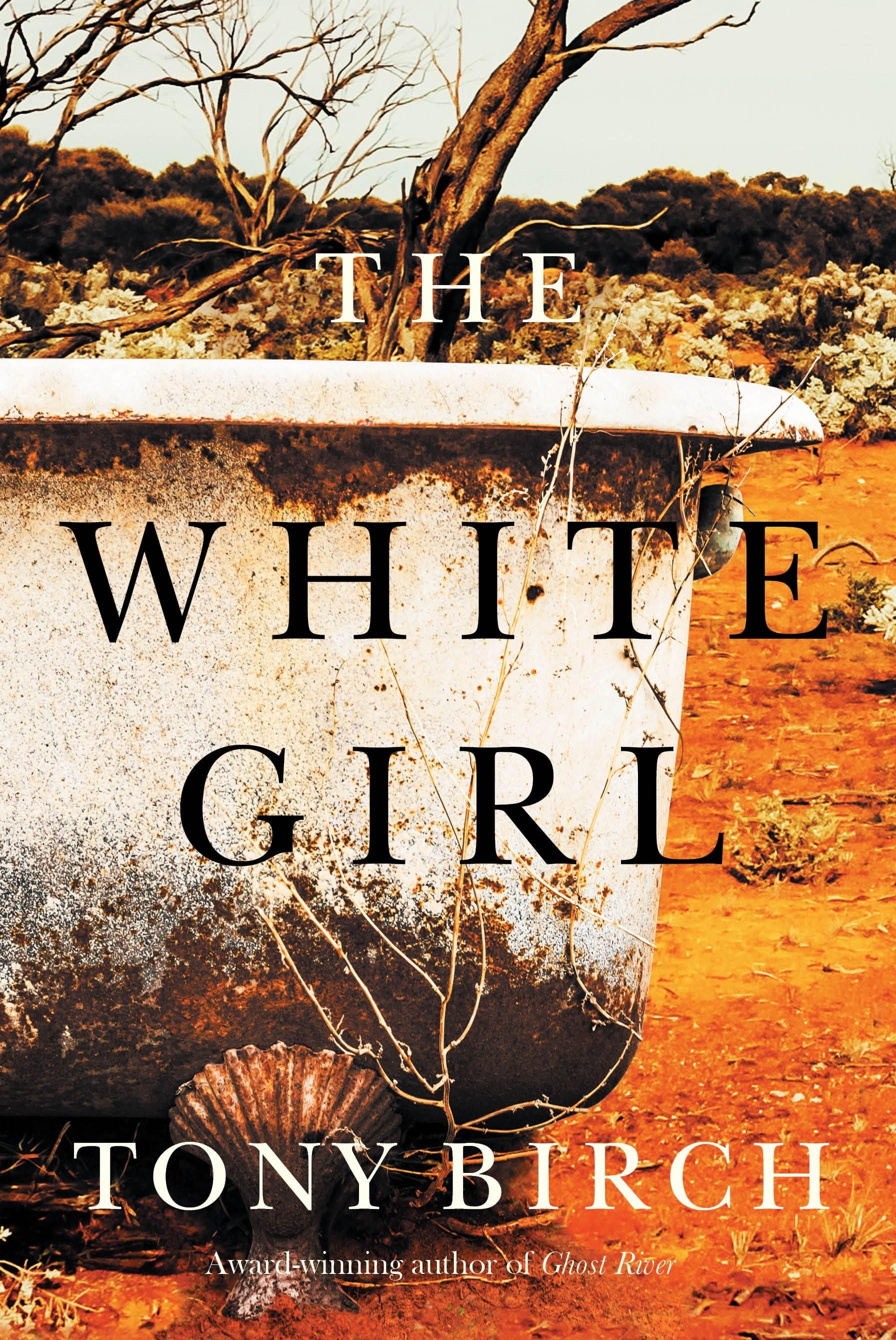 Other books I loved included Tony Birch’s The White Girl, a book whose power lies not just in its subject matter, but in the devastating simplicity and clarity of Birch’s storytelling; Bernadine Evaristo’s Man Booker-winning Girl, Woman, Other; Wendy Erskine’s marvellously compressed and blackly hilarious Sweet Home (seek it out); and Taffy Brodesser-Akner’s portrait of New York life amongst the super-rich, Fleishman is in Trouble, a book that subverts the reader’s expectations in fascinating ways. Likewise I greatly enjoyed Laila Lalami’s The Other Americans, Sean Williams’ Impossible Music, and (although I suspect it’s not the best of the Jackson Brodie books) I loved every moment of Kate Atkinson’s Big Sky.
 Sadly I was less excited by the final instalment in Karl Ove Knausgaard’s My Struggle, The End. Partly that was to do with the surfaces of the prose – in contrast to the deliberately artless language of the first five volumes a lot of The End has the slightly-too-buffed tone of a New Yorker profile – but it was also because it often felt like the book was rehearsing Knausgaard’s greatest hits (Here I am doing domesticity in excruciating detail! Here I am worrying about my art!). But in the end, even despite moments of brilliance, it just didn’t feel substantial enough to address the concerns that are so wrenchingly explored in the first five.
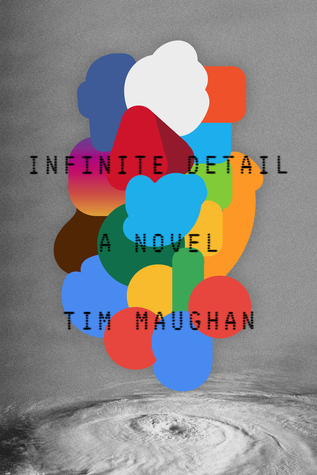 Of the speculative fiction I read the two standouts were Tim Maughan’s Infinite Detail and Chuck Wendig’s Wanderers. If you haven’t read the Maughan, make the time: it’s a startlingly intelligent and profoundly political interrogation of surveillance culture and late capitalism. The Wendig is also wonderful: a seamless fusion of horror and science fiction that manages to be oddly timeless and incredibly topical. Ted Chiang’s Exhalation and Helen Phillips’ The Need are also terrific, as are Garth Nix’s wildly enjoyable Angel Mage and Margaret Morgan’s sleekly subversive The Second Cure, a book that feels more prescient almost by the hour. And although it seems to have passed a lot of people by, Ann Leckie’s The Raven Tower is an absolutely fascinating exercise in what is as much a form of environmental writing as fantasy.
 It’s nearly the holidays, so I thought I’d brush the cobwebs off the website and pull together a list of some of the books I’ve loved this year.
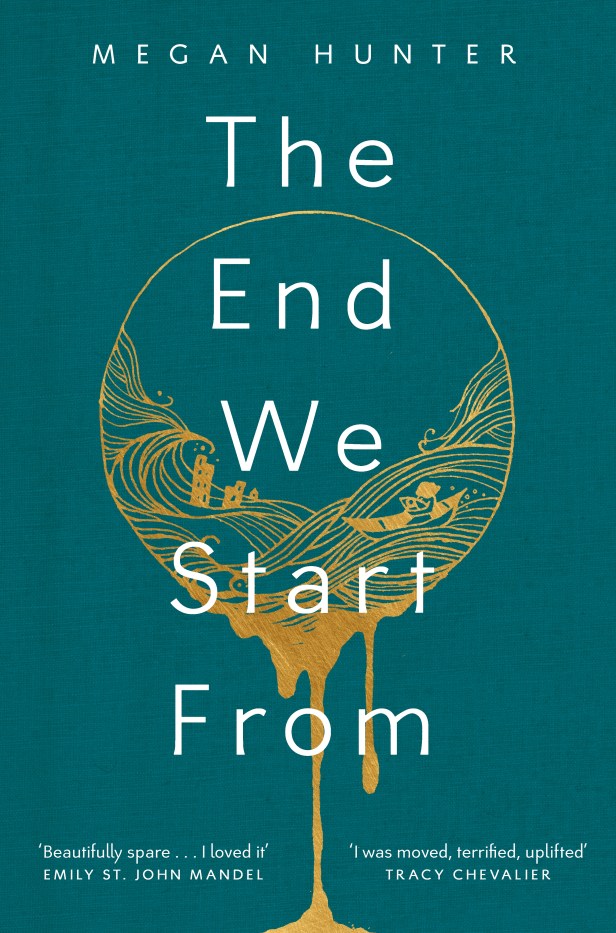 I also loved Alan Hollinghurst’s glorious The Sparsholt Affair, a book that is so gorgeously and wittily constructed sentence by sentence and so wonderfully well-observed I spent the whole final third being sorry it was going to end. I was also hugely impressed by Megan Hunter’s slim but beautiful story of a flooded England, The End We Start From, Philip Pullman’s triumphant return to the world of Northern Lights, La Belle Sauvage (a book that also, not coincidentally, I suspect, features an epochal flood), Jennifer Egan’s sleekly oblique
  I’m not sure it makes much dividing science fiction and fantasy publishing from literary publishing any more, especially not when the concerns so many of the best novels on both sides of the divide are exploring are so similar (and indeed, when so many writers move so fluidly back and forth), a point that’s underlined by the fact stories in Carmen Maria Machado’s hugely impressive Her Body and Other Parties were published in
 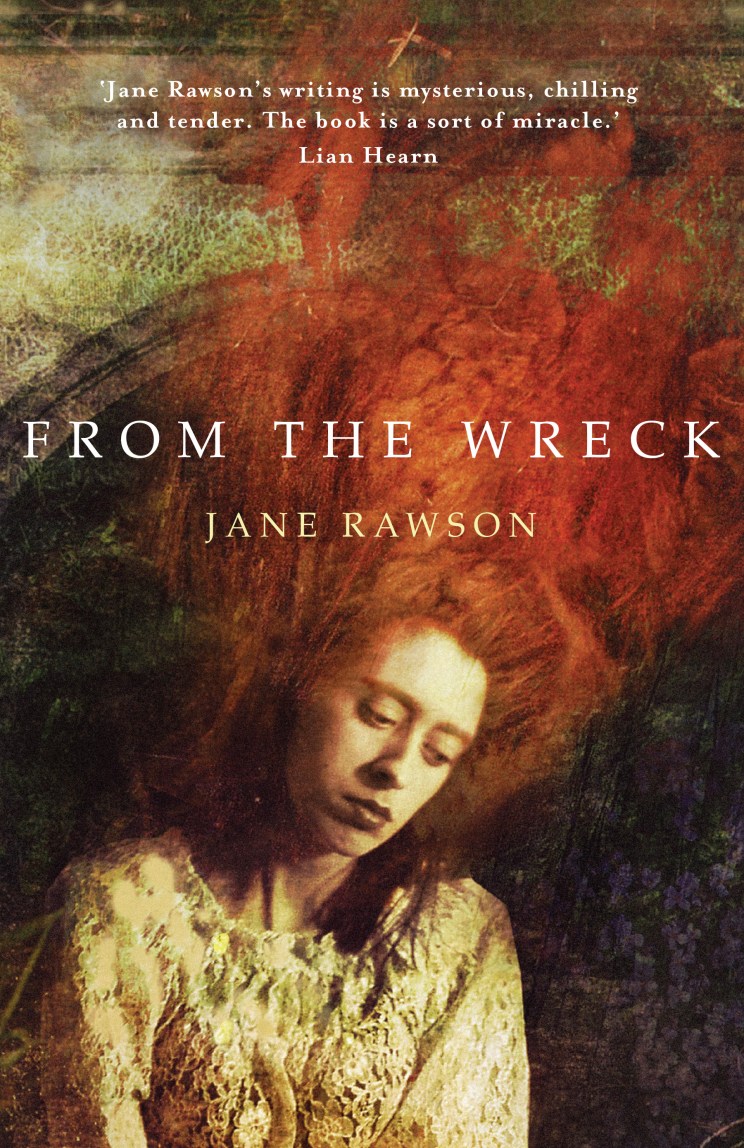 My favourite Australian novel was Jane Rawson’s fabulously weird remaking of the historical novel, From the Wreck, but I also loved Krissy Kneen’s science fictional exploration of post-humanity and desire and intimacy, An Uncertain Grace, Ashley Hay’s delicate exploration of post-natal depression and the complex entanglements of place and love, A Hundred Small Lessons and Kathryn Heyman’s brutal but necessary Storm and Grace. I also enjoyed Shaun Prescott’s unsettling excursion into the haunted spaces of central west NSW, The Town, Sally Abbott’s powerful and deeply unsettling exploration of climate change and similar questions about Australia’s inland communities, Closing Down, and Jock Serong’s incredibly powerful excursion into the charged territory of Australia’s refugee policy, On The Java Ridge (a book that has one of the most viscerally intense central sections I’ve read in a long, long time). And while it wasn’t strictly a 2017 book, I also really enjoyed Mark Smith’s post-apocalyptic young adult novel, The Road to Winter, and I’m very much looking forward to the sequel, Wilder Country (which did come out in 2017).
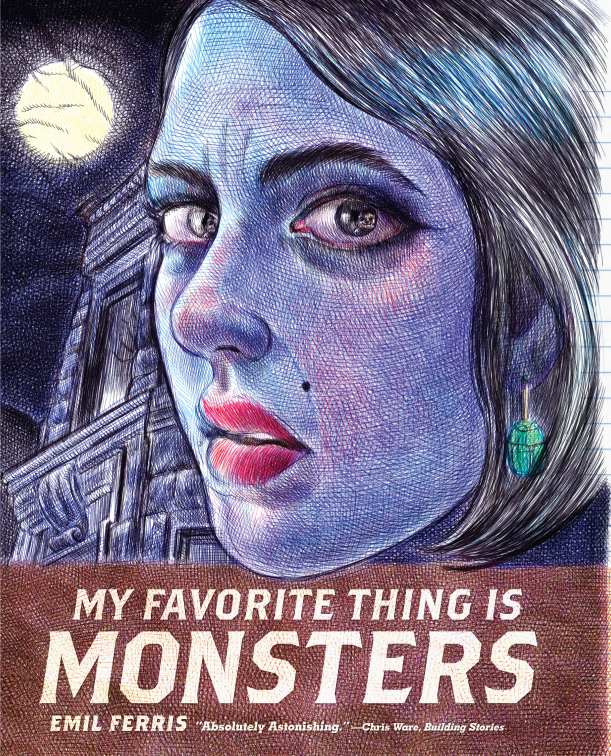 On the comics front I was hugely impressed by Emil Ferris’ extraordinarily dense and marvellously idiosyncratic My Favourite Thing is Monsters, and while there were fewer moments of excitement on the mainstream comic front, I’m completely in love with Jeff Lemire’s Black Hammer (and its new offshoot, Sherlock Frankenstein) and I continue to be surprised by how much I’m engaged by Ed Brubaker’s reworking of the trope of the lone vigilante, Kill Or Be Killed. But the comic I loved most this year was one I should have read a decade ago but never quite got around to, Alison Bechdel’s astonishing Fun House (and which I’m going to mention here simply because it’s so good I think everybody should read it).
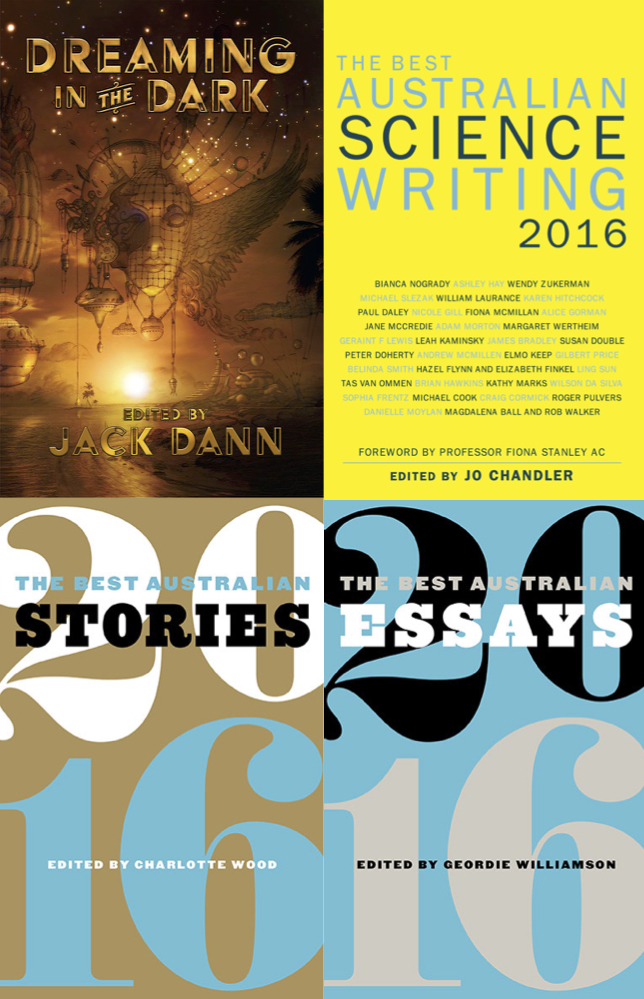 A little after the fact, but I’ve got a story in
  It’s that time of year, so because what the world needs is yet another best of the year list (surely it’s time we all went meta and started producing lists of the best best of lists?) I thought I’d pull together a quick roundup of some of the books I loved this year (if I get the time I’ll also put together a few music picks).
 I also hugely admired Annie Proulx’s monumental
  I’m not sure it would be correct to say I loved Adam Haslett’s
 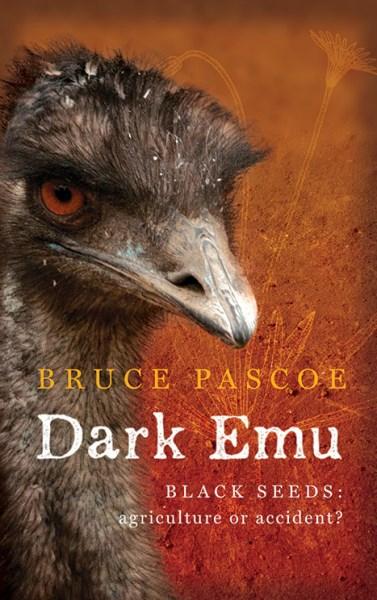 In terms of non-fiction, my pick of the year is Bruce Pascoe’s brilliant study of pre-contact Aboriginal agriculture and technology, Dark Emu. There aren’t many books I think every Australian should read but Pascoe’s is definitely one of them. I also very much admired Amy Liptrot’s Wainwright Prize winner,
  And finally, although my experience of it was tinged with great sadness, I loved my friend Georgia Blain’s final novel,
 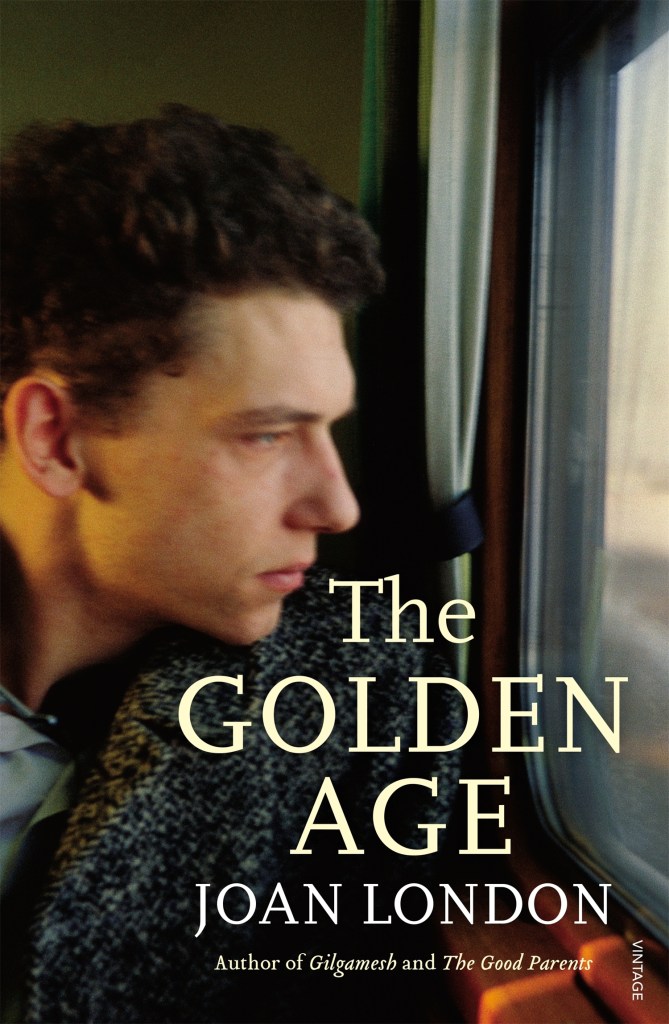 I’d hoped to get this up last Friday, but I ended up holding off because The Weekend Australian’s Best Books feature didn’t run until Saturday and I didn’t want to preempt my contribution to it. If you’ve got a few minutes I strongly suggest you take the time to
 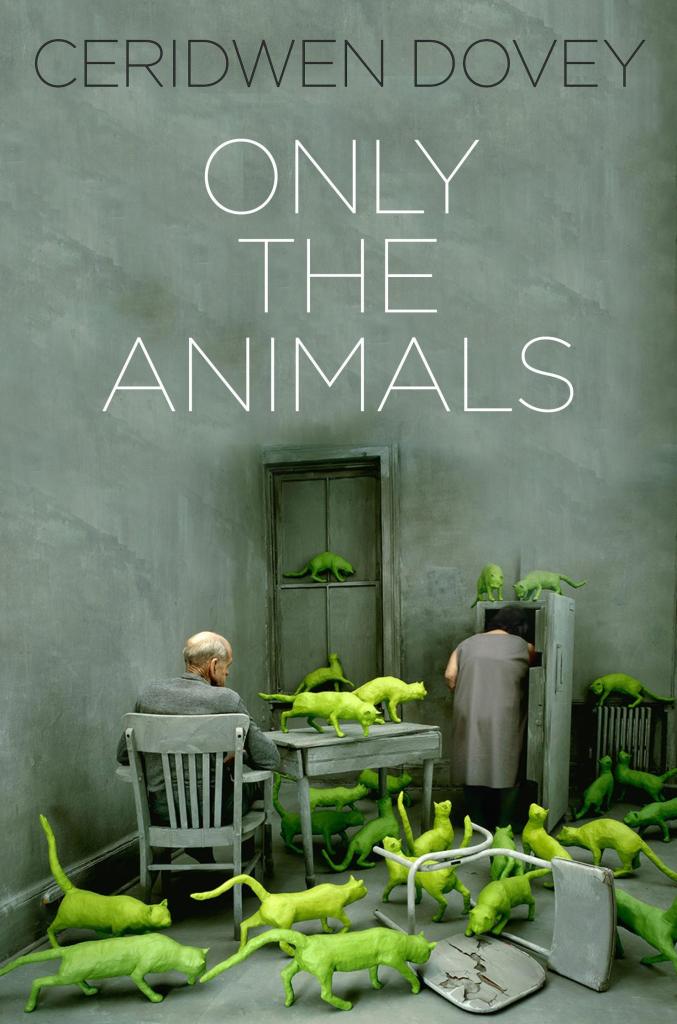 Moving further afield I also completely adored Ali Smith’s smart, sexy and very moving How to be both, Jenny Offil’s wonderfully fragmented and very witty Dept. of Speculation, and
 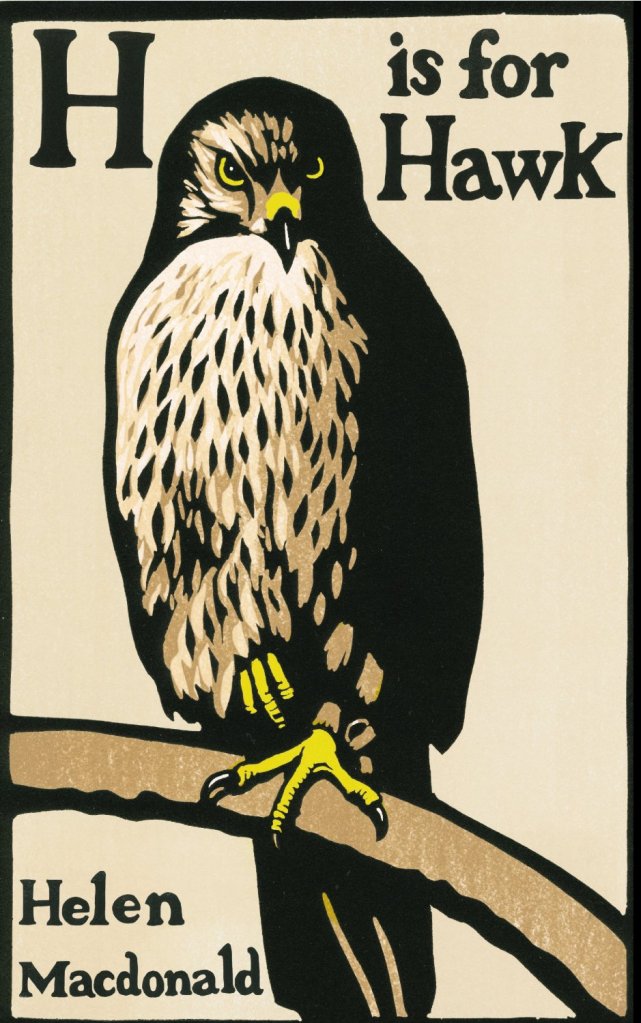 On the non-fiction front I loved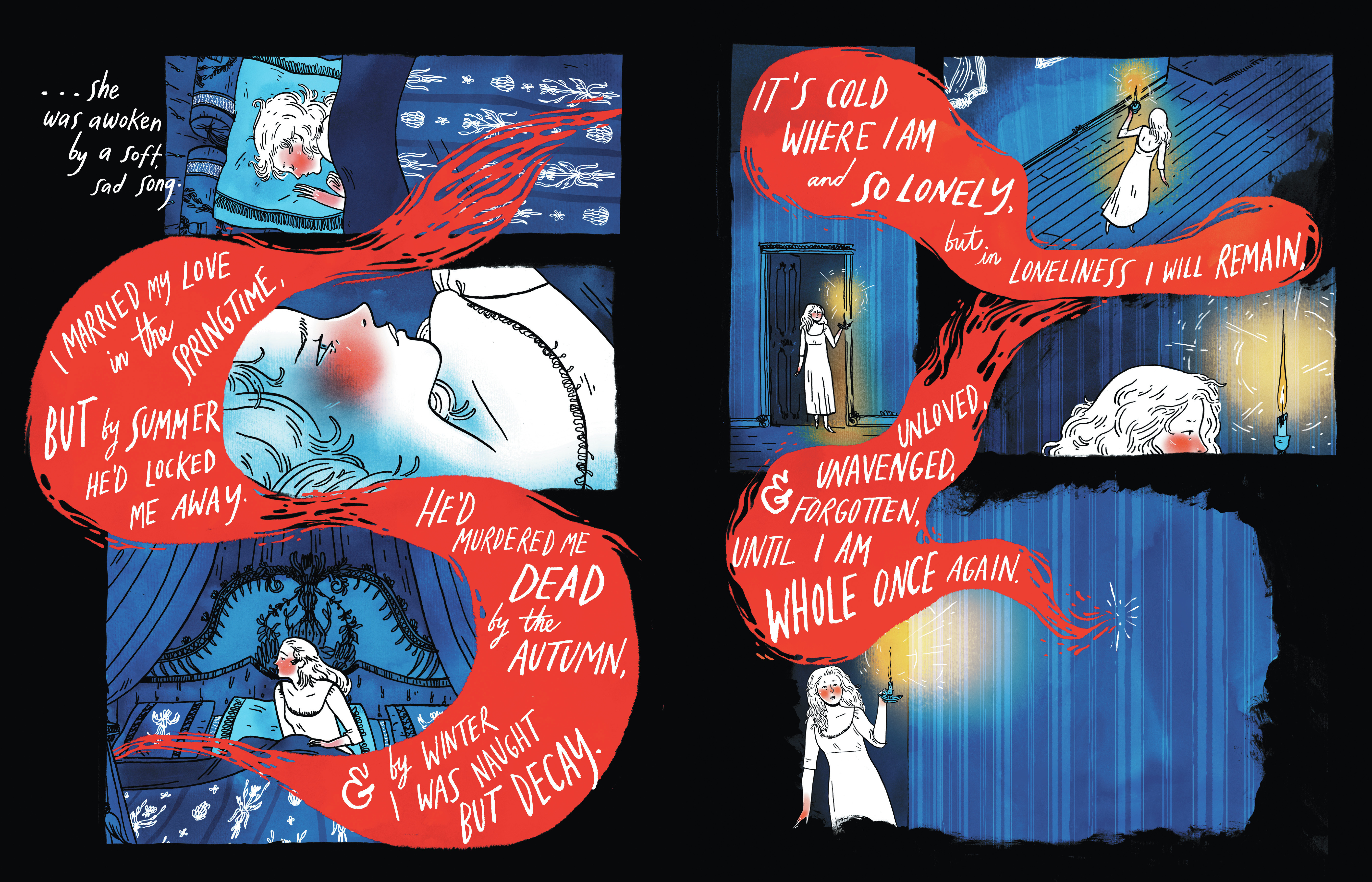
 I’m planning on getting a Best Books post up in the next week or so, but if you’ve got an hour to kill in the meantime you can catch the Coode Street Podcast’s Year in Review special, which features
 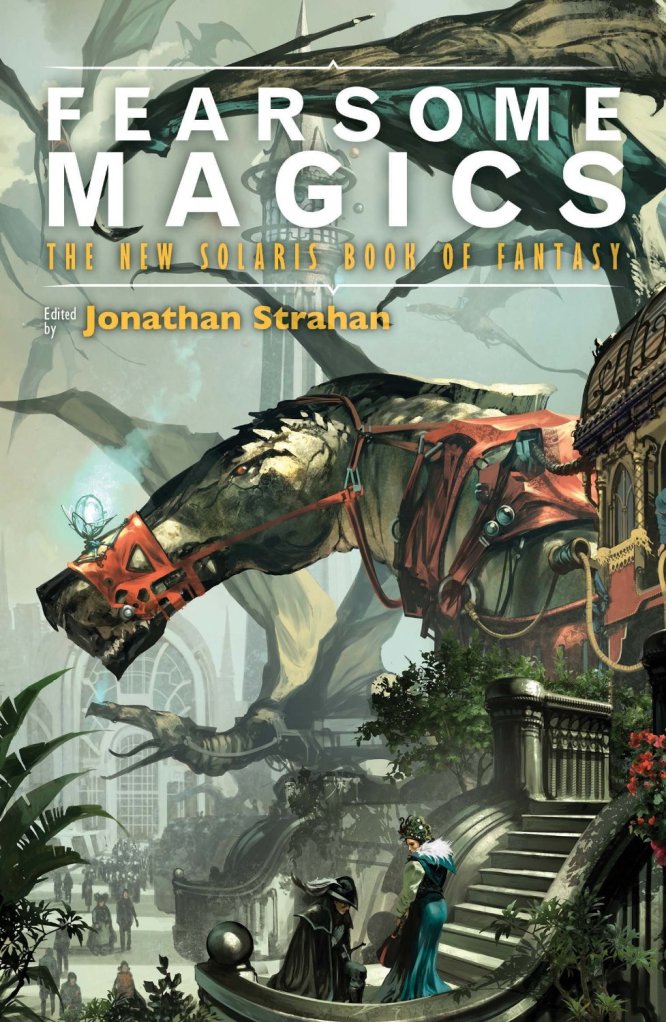 Just a quick note to say I’ve got a story in editor extraordinaire



 city of tongues