Today marks the Australian publication of my new book, Deep Water: The World in the Ocean. It’s a really special moment for me: I first began thinking about it more than 20 years ago, and the process of writing it has consumed most of the past two or three years of my life.
It’s a big book in every way: it stretches from the Big Bang to the destruction of the Earth several billion years from now, and the darkness of the ocean’s depths to the moons of Jupiter and Saturn, and traces the ways the ocean has shaped not just the planet but human life and society, as well as delving into the wonders of the other minds and presences that fill its waters. I’m incredibly proud of it, and I hope all kinds of people will find something in it.
You can get copies now anywhere good books are sold or online in Australia and the UK, and preorder copies in the US, where it will be out in July.
My thanks to everybody who helped along the way – scientists and other experts who took the time to speak to me, the friends who read drafts and listened to me talk obsessively about it, the Copyright Agency for making me their Non-Fiction Fellow for 2020, my agent and everybody at Penguin Australia, Scribe UK and Harper One, and in particular my partner and family who made it possible for me to write it. It wouldn’t exist without any of you, and I’m so, so grateful for your support.
I’m very excited to announce that the final book in The Change Trilogy, A Vastness of Stars, is now available as an ebook. It picks up immediately after the events of The Buried Ark, but because I don’t want to spoil the end of that book, I’m just going to say that it’s got alien worlds and spaceships and a lot of big surprises. It also closes the circle that began in the opening pages of The Silent Invasion. I hope people (and especially younger readers) will enjoy it!
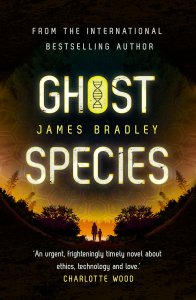
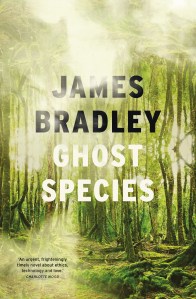
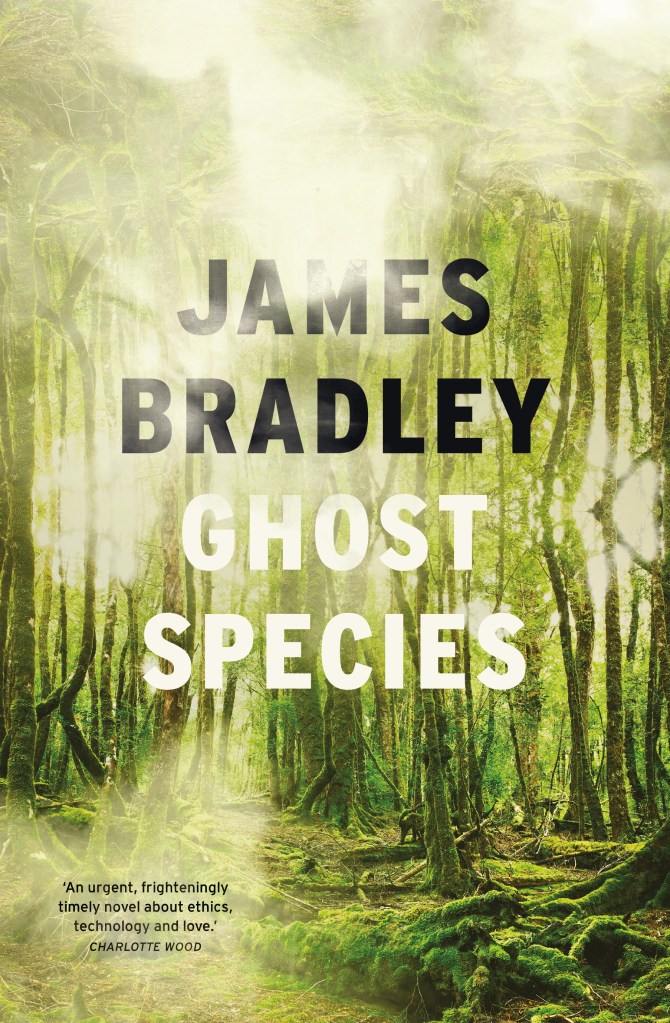
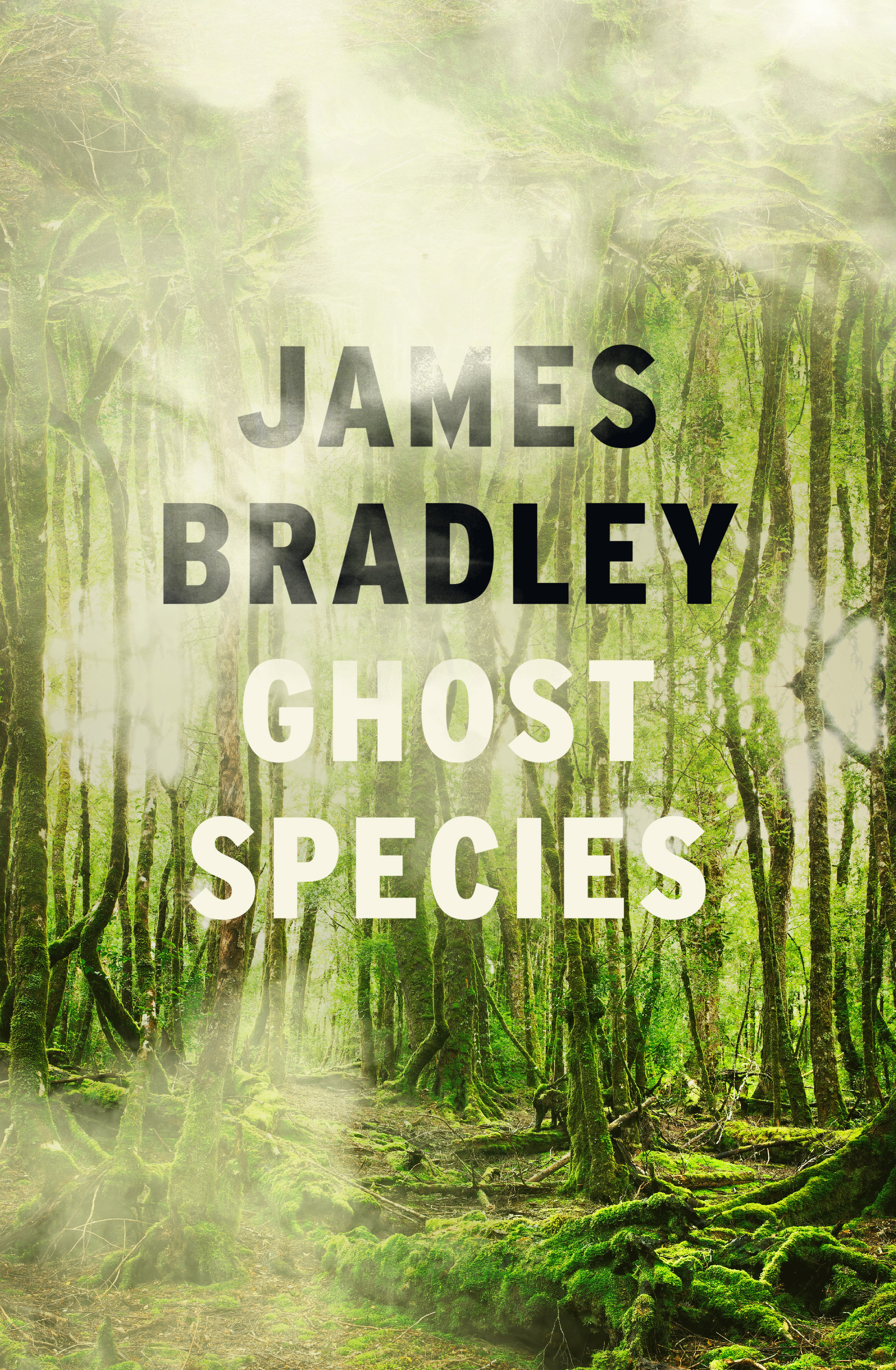
I’m delighted to announce that Hodder Studio’s edition of Ghost Species is published today in the United Kingdom and Ireland. As I said when the book was published in Australia, it’s a book that matters a great deal to me, so I’m thrilled it’s finally available overseas, and I very much hope people will find something in it.
You should be able to pick the new edition up in bricks and mortar bookshops, online, or as an ebook or audiobook. You can also read an extract. And if that’s not enough, you can see me reading the opening section below.
My thanks to everybody who’s had a hand in making this happen, but in particular the team at Hodder Studio and Rogers, Coleridge and White, and I hope anybody who buys a copy finds something in it for them.
I’ve already done a roundup of some of my favourite books of the year, so I thought I might pull together a list of some of my own publications over the past twelve months.
The one that matters most to me is my new novel, Ghost Species, which was released in Australia at the end of April. That was obviously a disorienting time to be publishing anything, but I’m incredibly grateful to the readers who have taken the time to read it and found something in it that speaks to them, because it’s a book that means a great deal to me.
I was also incredibly fortunate to be involved in a collaboration organised by Brisbane Writers Festival in which the poet Shastra Deo responded to the novel in verse. I’m a huge admirer of Shastra’s work (her first book, The Agonist, is brilliant), and the interactive poem that she produced is completely breathtaking. I can’t recommend it enough.
If you’d like to buy Ghost Species it’s available in Australia as an ebook, online, or from all good bricks and mortar bookshops. If you’re outside Australia the ebook was released by Hodder Studio a few weeks ago, and the print edition will be available in the UK in February. Or you can listen to the audiobook, read by the wonderful Rupert Degas.
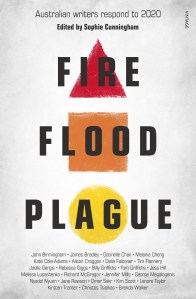
In addition to Ghost Species I published a number of pieces of non-fiction. Perhaps the most important of them to me personally was an essay about my mother, Denise, who died just as the pandemic really took hold, that was published as part of Sophie Cunningham’s wonderful anthology Fire Flood Plague: Australian Writers Respond to 2020. You can read Sophie’s introduction online, but if you haven’t seen a copy of the collection yet I very much recommend it: it’s a remarkable document of the experience of living through the past twelve months, but it’s also a book that offers a kind of roadmap for a new and better future, and I’m very grateful to have been a part of it.
I also had work in two other anthologies. The first – an essay about cuttlefish and deep time – appears in Cameron Muir, Kirsten Wehner and Jenny Newell’s brilliant Living with the Anthropocene: Love, Loss and Hope in the Face of Environmental Crisis, which also includes pieces by writers such as Tony Birch, Delia Falconer, Justine Hyde, Jennifer Lavers and Jo Chandler. It’s a major book, and I’m honoured to have been a part of it.
The final anthology in which I have work is Leah Kaminsky and Meg Keneally’s Animals Make Us Human. Conceived in the aftermath of last summer’s bushfires, it brings together articles and photos about animals by a host of writers, scientists and artists, with all proceeds going to the Australian Marine Conservation Society and the Australian Wildlife Conservancy. I wrote about magpies, but it’s a beautiful book, and would make a wonderful gift.
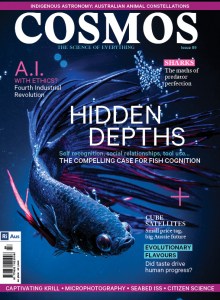
Other pieces I published this year included a reflection on the bushfires for The Guardian, ‘Terror, Hope, Anger, Kindness’, a long essay about civilisational collapse and hope in the face of climate catastrophe for Sydney Review of Books, ‘The Library at the End of the World’, an essay about water and time and the origins of the oceans that appeared as part of Griffith Review’sElemental Summer series, ‘Into the Deep’, and a long article about the minds and sensory worlds of fish for Cosmos (you’ll have to buy the magazine to read the full piece, but you can read an excerpt online). I also reviewed David Mitchell’s Utopia Avenue (you can also hear me chatting to Australian Book Review’s Jack Callil about the book on the ABR podcast, and new books by David Attenborough and Tim Flannery. And if you still want more, I did a long conversation with the Anne Charnock (author of the excellent Bridge 108) about writing in a time of crisis for LA Review of Books, and appeared on Osher Günsberg’s Better Than Yesterday, as well as participating in a numberofpanelsandconversations.
Around all that I’ve been lucky enough to get some work done. Or, to be more accurate, I’ve been lucky to have work to keep me going, because I’m not sure I would have made it through without it. Either way I’ve managed to pull together a draft of a new novel, and part of another; hopefully one or both of them will be finished some time next year. I’ve also written a bit less than half of a non-fiction project, which I’m aiming to complete over the next twelve months or so as well. For the moment, though, I just feel grateful to have made it through the past year relatively intact. I hope the same is true of all of you.
When I sat down to select my favourite books of 2019, the east coast of Australia was ablaze, and Sydney, Canberra and Melbourne had been swathed in smoke for weeks on end. Twelve months later Sydney’s Northern Beaches are in lockdown, restrictions are being reimposed across the rest of the city, and the other states have closed their borders to New South Wales again.
Perhaps unsurprisingly therefore, a number of the best books I’ve read over the past year engaged with this sense of accelerating and multiplying catastrophe. Some of them do it by tracing the crosscurrents of dissonance and denial that inflect our culture in the way Jenny Offill’s Weather or Madeleine Watts’ The Inland Sea do. Others, like Anne Charnock’s terrific Bridge 108, explore the effects of displacement and social breakdown. And some explore the processes of resistance, violence and dispossession that underpin the larger crisis as Natalie Diaz’s Postcolonial Love Poem does.
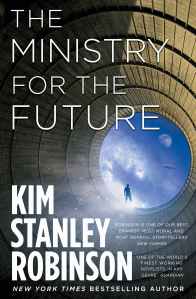
But the most significant was undoubtedly Kim Stanley Robinson’s The Ministry for the Future. The final book in the dazzling cycle of novels that began with 2312, and it simultaneously draws together and transcends many of the questions that are explored in those previous books, illustrating not just the scale of the crisis we inhabit, but mapping out a path toward a sustainable post-capitalist future. Like all Robinson’s novels it’s exhilaratingly dense with information and ideas, but it’s also deeply affecting. That’s partly because so much of what it depicts is so horrifying, but it’s also because while it insists on the imperative of hope, it doesn’t shy away from rage and despair. It’s an extraordinary achievement, and a book I wish everybody would read (I also highly recommend Ezra Klein’s interview with Robinson, which is one of the most consistently intelligent 90 minutes of media I consumed over the past twelve months).
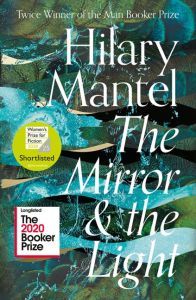
One of the other highlights of my reading year was The Mirror and the Light, the final instalment in Hilary Mantel’s Cromwell Trilogy. The consensus seems to be that the final quarter is the best bit, but I have to say I thought the depiction of the aftermath of Anne’s execution in the first 100 or 150 pages was simply astonishing, and captures the mute trauma and terror of a community that is suddenly inescapably aware that none of them are safe with great power. But part of what I found so compelling about those sections was the way they also expose the uncanny terror of state power. Mantel has explored the connections between violence and terror and death and undeath before, perhaps most notably in Beyond Black, but in The Mirror and the Light they take on a whole new set of resonances. And those opening sections are only one element of a genuinely remarkable creation.
Despite a lot of will-she won’t-she angst in the British media about the prospects of Mantel pulling off a Booker hat trick, The Mirror and the Light didn’t make the shortlist for this year’s prize, which instead went to Douglas Stuart’s terrific Shuggie Bain. As I said in my roundup of the Booker shortlist in The Weekend Australian, Stuart’s novel is notable not just for its refusal to sentimentalise Shuggie’s mother’s alcoholism, but for the astuteness of its portrait of the effects of addiction on children and, perhaps most remarkably of all, its immense capacity for forgiveness. I found it an enormously affecting and quietly devastating novel, and it’s been wonderful to see it finding such a wide readership.
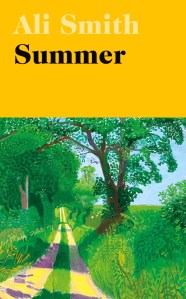
Other novels I loved included the final instalment in Ali Smith’s remarkable Seasons Quartet, Summer, Andrew O’Hagan’s wonderful Mayflies (a book that felt micro-targeted at me and my interests), Anne Enright’s Actress, Deb Olin Unferth’s wonderfully off-kilter novel about chickens and activism, Barn 8, Emily St John Mandel’s brilliantly structured The Glass Hotel, Daisy Johnson’s splendidly unsettling Sisters, Lily King’s lovely, warm, wise Writers and Lovers, Vigdis Hjorth’s merciless Will and Testament (make the time), Maggie O’Farrell’s Hamnet, and Sigrid Nunez’s follow-up to The Friend, What Are You Going Through. The two story collections I most enjoyed were Emma Cline’s Daddy and Ashleigh Bryant Phillips’ fabulously compressed Sleepovers (seek it out: I promise it will be worth it).
At the more speculative end of the spectrum, I was blown away by M. John Harrison’s compellingly strange The Sunken Land Begins To Rise Again, a book that elides boundaries of all kinds, so reading it makes the world around you feel uncertain in all sorts of ways. It’s also a novel that invites all kinds of readings, but the one I kept coming back to was the way its emphasis on the watery, floods and transformation echoes Amitav Ghosh’s description of the “insistent, inescapable continuities of the Anthropocene”. I also loved Garth Nix’s delightfully playful and effortlessly entertaining The Left-handed Booksellers of London, a book that might well be my favourite of Nix’s novels, Paul McAuley’s emotionally expansive and affecting reworking of the Samurai and Western in the far future, War of the Maps, and William Gibson’s terrific follow-up to The Peripheral, Agency, a book that plays with our assumptions about the future and contingency with sly wit and deadly seriousness. Wit is also available in abundance in Natalie Zina Walschots’ hugely entertaining reworking of the superhero genre and the modern workplace, Hench, and Lev Grossman’s delightful excursion into children’s fantasy, The Silver Arrow, whereas Susanna Clarke’s Piranesi is a strange conjuring trick that draws upon many of the tropes and preoccupations of classic fantasy while also taking them somewhere that feels startlingly new. And I hugely enjoyed both Stephen Graham Jones’ The Only Good Indians and Cherie Dimaline’s Empire of Wild.
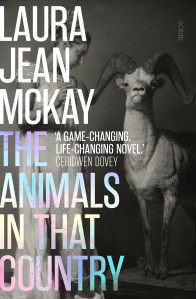
Although there are a host of things I still haven’t got to (Robbie Arnott’s The Rain Heron! Nardi Simpson’s Song of the Crocodile! Andrew Pippos’ Lucky’s! Elizabeth Tan’s Smart Ovens for Lonely People!) I read a lot of Australian fiction I hugely admired, perhaps most notably Laura Jean McKay’s gloriously weird and feral The Animals In That Country, Chris Flynn’s delightfully deadpan deep time comedy, Mammoth, Lauren Chater’s beautifully constructed and expansive reworking of the silences in Swift, Gulliver’s Wife, Kate Mildenhall’s gripping The Mother Fault, the next instalment in the historical sequence Jock Serong began in Preservation, The Burning Island, Kristen Krauth’s terrific Almost a Mirror and Luke Horton’s terrific debut, The Fogging (if you’re interested, you can hear me and Luke chatting on The Book Show).
Of the non-fiction I read, I loved Julia Baird’s elegant and wise Phosphorescence: On Awe, Wonder And Things That Sustain You When The World Goes Dark, a book I read at just the right moment, David Farrier’s marvellous and intellectually peripatetic investigation of deep time, Footprints: In Search of Future Fossils, Stephanie Convery’s heartfelt and unsparing dissection of violence in sport, After the Count: The Death of Davey Browne, Tegan Bennett Daylight’s elegant and moving The Details: On Love, Death and Reading, Danielle Clode’s study of the remarkable life of Jeanne Barret, In Search Of The Woman Who Sailed The World, Merlin Sheldrake’s Entangled Life: How Fungi Make Our Worlds, Change Our Minds and Shape Our Futures, Rebecca Giggs’ Fathoms: The World in the Whale, and David Attenborough’s A Life On Our Planet: My Witness Statement and a Vision for the Future, and Craig Brown’s often hilarious One Two Three Four: The Beatles in Time. I also very much admired two shorter books of essays: Zadie Smith’s Intimations and Rebecca Tamás’ Strangers.
And finally, two more books of poetry: Felicity Plunkett’s A Kinder Sea and Hannah Sullivan’s Three Poems, both of which offered reminders of the power of language to console and reveal, something I suspect we’re all going to need more of in the months to come.
My new novel, Ghost Species, is published today in Australia. New books are always exciting, but this one is especially so, because it’s a book I’m really proud of. Set in Tasmania in the very near future, it centres on a secret project to resurrect Neanderthals, and it’s about extinction and de-extinction, loss and love, climate catastrophe and collapse. I think – I hope – some of the ideas in it will resonate, especially at present.
If you’re in Australia you can get copies from any good bricks and mortar bookshop, or check prices online. You can also get it from all major ebook vendors. If you’re outside Australia Book Depository should have copies available. I also highly recommend the audiobook, read by Rupert Degas, which is absolutely fantastic.
My thanks to everybody who helped this book become a reality. I hope you all enjoy it.
I’m sure I’m not alone in feeling 2019 was a year when reading felt necessary, not so much as an escape from the world, but because the kinds of truths it communicates so often seemed an antidote to the increasingly demented and distracted world around us.
Of the books that helped, the best were smart and sane, but also not afraid to engage with the world as it is. This is especially true of the third instalment in Ali Smith’s marvellous Seasons Quartet, Spring, Lucy Ellmann’s massive Ducks, Newburyport, and Max Porter’s glorious Lanny. All three offer marvellous examples of the ways in which fiction can absorb and refract the rhythms and textures of its moment and fashion something revelatory from them. Charlotte Wood’s scabrous and hilarious The Weekend and Elizabeth Strout’s almost casually brilliant Olive Again achieve something similar in their portrait of the lives of the characters at their centre, as well as exploring the often neglected experience of ageing (in the case of The Weekend, it’s particularly fascinating to be reminded of just how bodily a writer Wood is, and of the degree to which all her books are engaged with questions of physicality and decay).
Other books I loved included Tony Birch’s The White Girl, a book whose power lies not just in its subject matter, but in the devastating simplicity and clarity of Birch’s storytelling; Bernadine Evaristo’s Man Booker-winning Girl, Woman, Other; Wendy Erskine’s marvellously compressed and blackly hilarious Sweet Home (seek it out); and Taffy Brodesser-Akner’s portrait of New York life amongst the super-rich, Fleishman is in Trouble, a book that subverts the reader’s expectations in fascinating ways. Likewise I greatly enjoyed Laila Lalami’s The Other Americans, Sean Williams’ Impossible Music, and (although I suspect it’s not the best of the Jackson Brodie books) I loved every moment of Kate Atkinson’s Big Sky.
I also very much admired both Ben Lerner’s The Topeka School and Ocean Vuong’s On Earth We Are Briefly Gorgeous, a pair of books that have the distinction of being novels by poets that deliberately situate themselves in the unstable, interstitial space between memoir and fiction. In the case of Lerner’s I’m not convinced some of the larger connections he wants to make quite come off, but the precision and brilliance of the writing and his control of structure and the competing perspectives of the characters is so impressive I didn’t care; in the case of the Vuong the parts I found most affecting were in fact in the second half, and in particular his portrait of his relationship with his former lover and their home town.
Sadly I was less excited by the final instalment in Karl Ove Knausgaard’s My Struggle, The End. Partly that was to do with the surfaces of the prose – in contrast to the deliberately artless language of the first five volumes a lot of The End has the slightly-too-buffed tone of a New Yorker profile – but it was also because it often felt like the book was rehearsing Knausgaard’s greatest hits (Here I am doing domesticity in excruciating detail! Here I am worrying about my art!). But in the end, even despite moments of brilliance, it just didn’t feel substantial enough to address the concerns that are so wrenchingly explored in the first five.
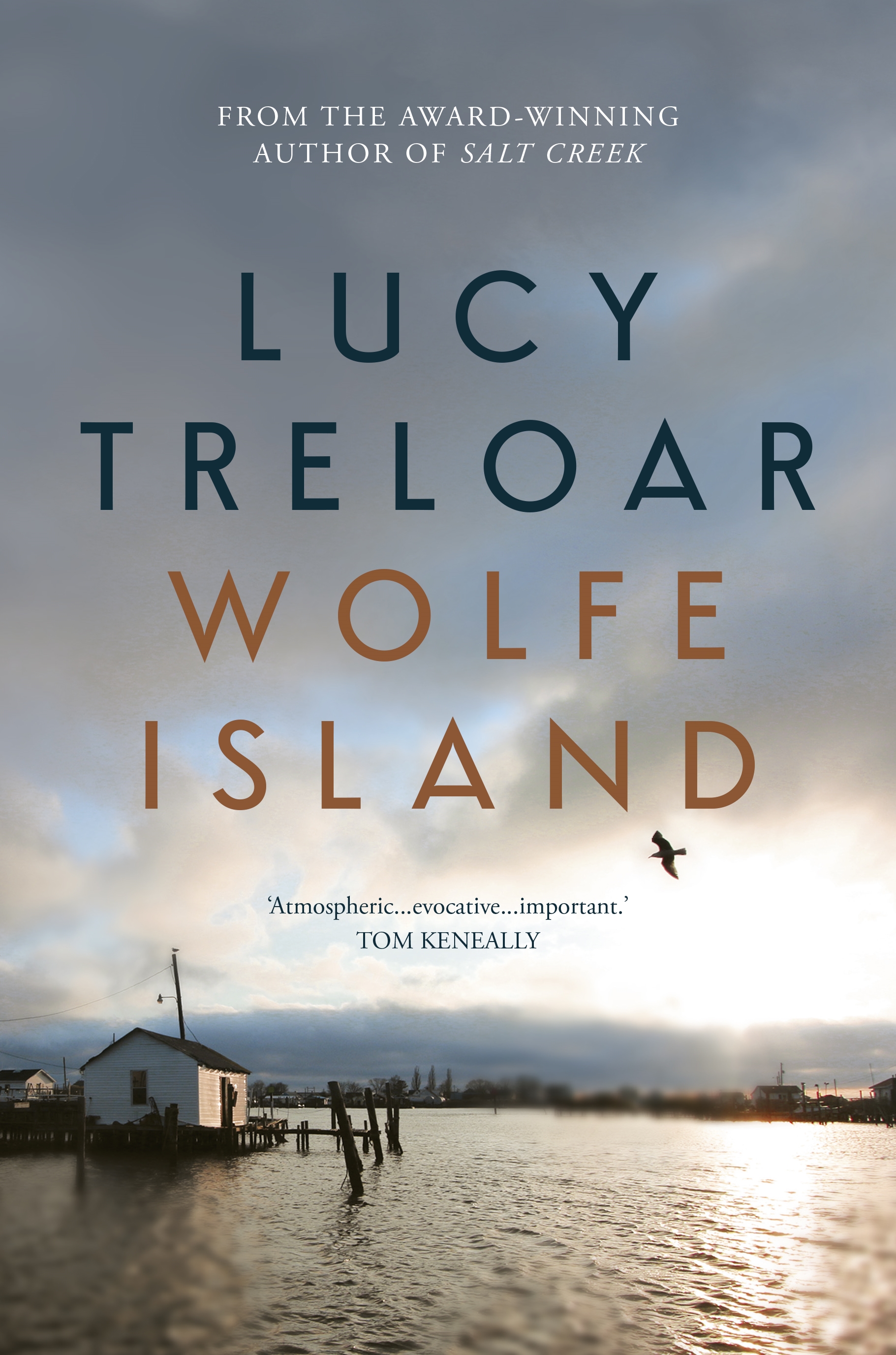
As I’ve said before, I find the language we use to describe fiction engaged with questions of environmental crisis fairly problematic, but however we choose to classify it, I don’t think there’s any question Lucy Treloar’s Wolfe Island is likely to become one of the classic texts of the field, not least for the incredibly sophisticated way it uses the liminal landscape of the Chesapeake to elide the boundaries between past, present and future to show us we are already living in the midst of a crisis, it’s just that (to borrow William Gibson’s aphorism) it’s unevenly distributed. I also loved Alice Bishop’s incredibly intense and beautifully observed depiction of the Black Saturday bushfires, A Constant Hum, which I would also see as a significant contribution to the literature of environmental crisis in general, and the literature that has grown out of Black Saturday in particular. And I hugely admired Amitav Ghosh’s Gun Island, a book that makes fascinating connections between the past and the present by unpicking the intertwined forces of colonialism, capitalism and climate change, and Ben Smith’s starkly observed and very powerfully written breakdown narrative, Doggerland.
Of the speculative fiction I read the two standouts were Tim Maughan’s Infinite Detail and Chuck Wendig’s Wanderers. If you haven’t read the Maughan, make the time: it’s a startlingly intelligent and profoundly political interrogation of surveillance culture and late capitalism. The Wendig is also wonderful: a seamless fusion of horror and science fiction that manages to be oddly timeless and incredibly topical. Ted Chiang’s Exhalation and Helen Phillips’ The Need are also terrific, as are Garth Nix’s wildly enjoyable Angel Mage and Margaret Morgan’s sleekly subversive The Second Cure, a book that feels more prescient almost by the hour. And although it seems to have passed a lot of people by, Ann Leckie’s The Raven Tower is an absolutely fascinating exercise in what is as much a form of environmental writing as fantasy.
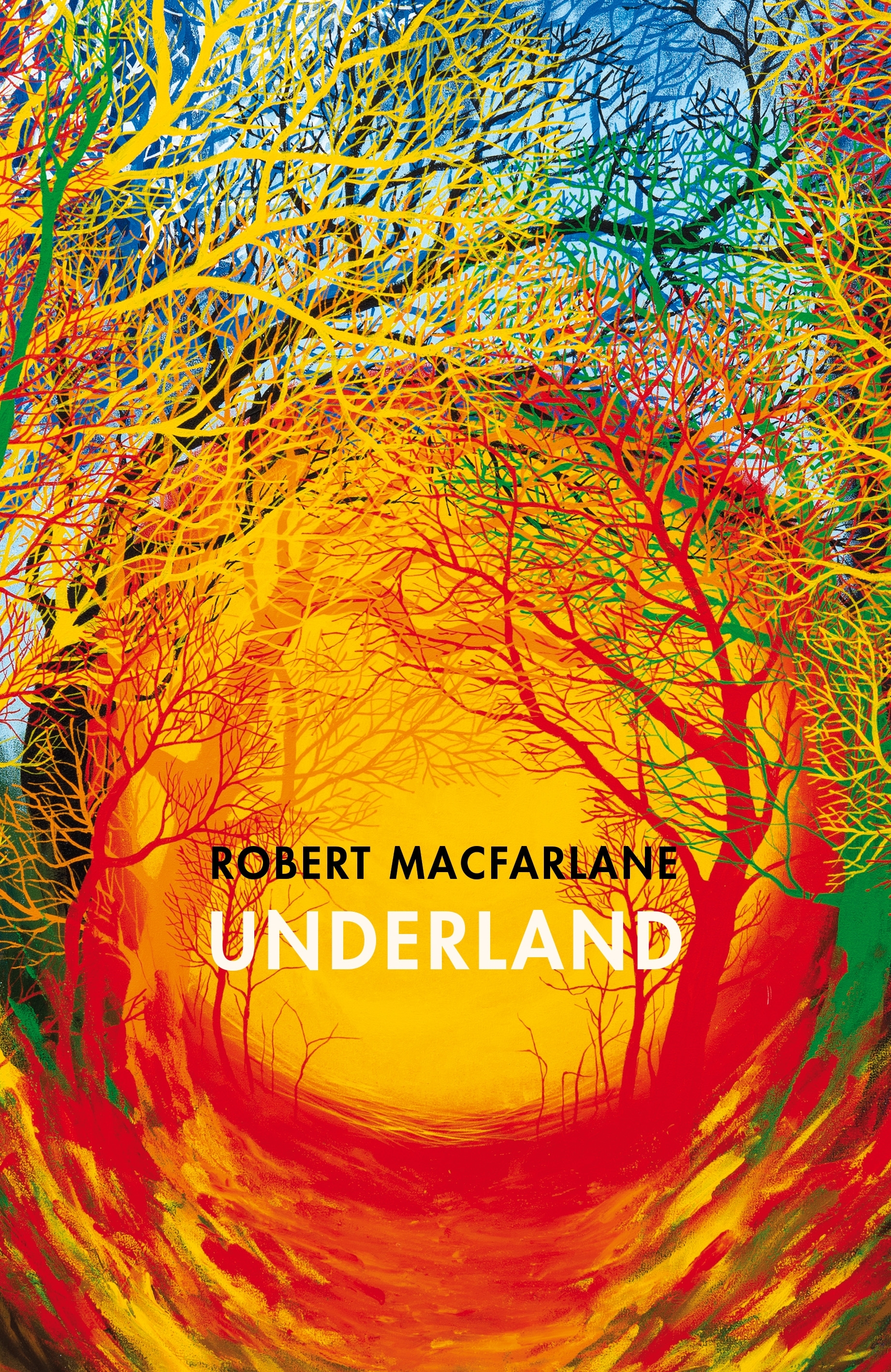
In recent years writing about the natural world has taken on a new urgency, charged not just with helping us see the world in new ways but with bearing witness to the scale of the transformation taking place around us. Of the non-fiction concerned with these questions I read this year, three books stood head and shoulders above the rest. The first was Robert Macfarlane’s stunning Underland. I’ve been a huge admirer of Macfarlane’s work since The Wild Places, but Underland is invested with an urgency and a depth of thinking that pushes it to a new level. It’s an astonishing book.
I was also hugely impressed by Sophie Cunningham’s wonderfully peripatetic City of Trees. Like Underland it’s a book that’s simultaneously focussed on the particular and the global, and asks vital and profound questions about our responsibilities to the past and the future. I loved it.
And finally there was Barry Lopez’s Horizon. If I had to make a list of books that I can honestly say changed my life, Lopez’s Arctic Dreams would be close to the top. I’m not sure Horizon is as easy to admire as Arctic Dreams – it’s a much more conflicted, troubled work, that’s closer in many ways to the kinds of autobiographical writing Lopez published in About This Life, but that sense Lopez is grappling with his legacy and trying to make sense of his larger project is part of what makes it so fascinating, and so profound. It’s a remarkable book, and one I suspect I’ll be returning to.
I also very much admired a number of the essays in Kathleen Jamie’s splendid Surfacing, David Wallace-Wells’ brilliant and completely uncompromising synthesis of the bad news on climate change, The Uninhabitable Earth, and Ian Urbina’s thrilling and often deeply confronting portrait of life on the high seas, The Outlaw Ocean. And closer to home I was incredibly impressed by Vicki Hastrich’s illuminating and expansive essays about the waterways of the central coast, memory and seeing, Night Fishing. And although it’s not about the natural world, Shoshana Zuboff’s The Age of Surveillance Capitalism should be compulsory reading for everybody.
I also very much enjoyed a few things from previous years, in particular Sigrid Nunez’s The Friend, Robbie Arnott’s magic realist Tasmanian Gothic, Flames, Rebecca Makkai’s wonderfully observed The Great Believers and Natalia Ginzburg’s Family Lexicon. I also finally got around to Patricia Lockwood’s Priestdaddy, which is precisely as good as everybody says it is.
As always there are also a number of things I didn’t get to but hopefully will in the next few weeks, in particular Yoko Ogawa’s The Memory Police, Ann Patchett’s The Dutch House, Christos Tsiolkas’ Damascus, Alice Robinson’s The Glad Shout and Namwali Serpell’s The Old Drift. In the meantime I hope you all have a wonderful holiday season and that 2020 is an improvement on 2019.
I’m very excited to be able to reveal the cover of my new novel, Ghost Species. I’ve talked a little about it before, but here’s the blurb:
When scientist Kate Larkin joins a secretive project to re-engineer the climate by resurrecting extinct species she becomes enmeshed in another, even more clandestine program to recreate our long-lost relatives, the Neanderthals. But when the first of the children, a girl called Eve, is born, Kate finds herself torn between her duties as a scientist and her urge to protect their time-lost creation.
Set against the backdrop of hastening climate catastrophe, Ghost Species is an exquisitely beautiful and deeply affecting exploration of connection and loss in an age of planetary trauma. For as Eve grows to adulthood she and Kate must face the question of who and what she is. Is she natural or artificial? Human or non-human? And perhaps most importantly, as civilisation unravels around them, is Eve the ghost species, or are we?
As promised the other day, I thought I’d do a quick roundup of some of the books I enjoyed most this year. Right at the top of my list are two books I loved quite immoderately, Richard Powers’ The Overstory and Michael Ondaatje’s Warlight. The former is just astonishing – a seamless synthesis of science and fiction that manages to make the ecological crisis surrounding us viscerally real – the latter is a book that ranks with Ondaatje’s best work.
I also loved a number of other novels, in particular the final volume in Rachel Cusk’s astonishing Outline Trilogy,Kudos, Miriam Toews’ Women Talking, Tommy Orange’s There There, Leila Slimani’s brutal portrait of class and isolation, Lullaby, Lisa Halliday’s brilliant Asymmetry, Julian Barnes’ marvellously controlled dissection of love and the things we cannot let ourselves know, The Only Story, Patrick DeWitt’s French Exit, Daisy Johnson’s Everything Under, Leni Zumas’ Red Clocks, Ottessa Moshfegh’s reworking of the 9/11 novel, My Year of Rest and Relaxation, Rachel Kushner’s The Mars Room, Tana French’s consuming The Witch Elm, Ling Ma’s Severance, Anna Burns’ Man Booker-winning Milkman and Robin Robertson’s noir verse novel, The Long Take. Alongside the novels there were a number of story collections I very much enjoyed, perhaps most notably Denis Johnson and William Trevor’s posthumous volumes, The Largesse of the Sea Maiden and Last Stories, Lauren Groff’s Florida, Jon McGregor’s companion to Reservoir 13, The Reservoir Tapes, Ben Marcus’ Notes from the Fog, and Nana Kwame Adjei-Brenyah’s Friday Black. And although it wasn’t published in 2018, I also loved Andrew Sean Greer’s delightful Less (which took me back to his sad but beautiful 2008 novel, The Story of a Marriage).
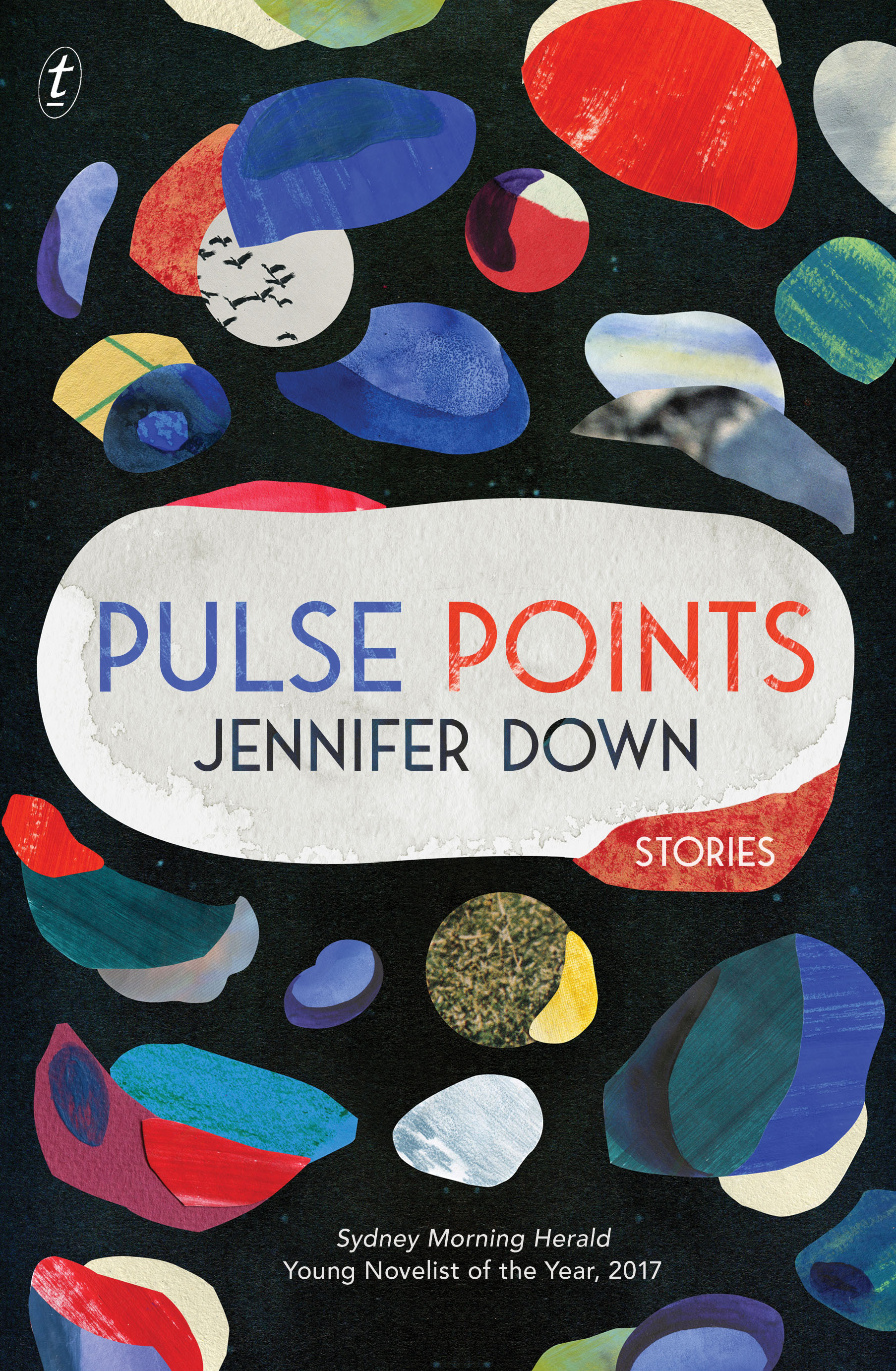
A number of the Australian books I read this year were from last year as well; I particularly admired Michelle de Kretser’s The Life to Come, Ryan O’Neill’s Their Brilliant Careersand Jennifer Down’s wonderful story collection, Pulse Points. Of those published in 2018 I loved Jock Serong’s historical thriller, Preservation, Jennifer Mill’s marvellous Dyschronia and Mark Smith’s sequel to his standout YA debut, The Road to Winter, Wilder Country.
Of the science fiction and fantasy I read I adored Adam Roberts’ wildly brilliant sequel to last year’s The Real Town Murders, By the Pricking of her Thumb, the conclusion to Dave Hutchinson’s Fractured Europe Quartet, Europe at Dawn, Tade Thompson’s terrific Rosewater, James Smythe’s I Still Dream, Martha Wells’ Murderbot series, John Schoffstall’s extremely engaging YA fantasy, Half-Witch, Emma Newman’s Before Mars, Kim Stanley Robinson’s Red Moon, Christopher Priest’s queasily powerful An American Story, Ahmed Saadawi’s Frankenstein in Baghdad, and Audrey Schulman’s Theory of Bastards. And although it was published last year, Nick Harkaway’s Gnomon is an astonishing book: dense and furious and ferociously engaged with the contemporary world.
Most of the comics I read were in series format, but I’ve been loving Al Ewing’s joyously creepy 1950s horror comics-inflected The Immortal Hulk, and I hugely admired Nick Drasno’s Man Booker-longlisted Sabrina.
And finally, my non-fiction reading was a bit spotty, but a lot of what I did read was terrific, and of that, the absolute highlights were Caspar Henderson’s prismatic A New Map of Wonders, Joy McCann’s wonderfully rich and expansive history of the Southern Ocean, Wild Sea, Nancy Campbell’s The Library of Ice, Phillipa McGuinness’ 2001: The Year That Changed Everything, and two books about sea level rise, Elizabeth Rush’s beautiful Rising and Jeff Goodell’s deeply confronting The Water Will Come.
Obviously there’s still a couple of weeks of the year to go (a chunk of which I’ll be spending on Knausgaard’s mammoth The End), and I’m sure there are things I’ve forgotten, but hopefully not too many. In the meantime I wish all of you the very best for the holiday season and the year ahead. Go well.
Replica of Neanderthal Skull in St. Michaels Cave, Gibraltar, CC 2012, Bjorn.
I’m planning to do a round-up of my favourite books of the past year later in the week, but before I do I thought I might just pull together a list of a few things of my own over the past twelve months.
The most significant, obviously, was the publication of The Buried Ark in June. The second part of my Change Trilogy, it picks up immediately after the events at the end of the first book in the series, The Silent Invasion, which was published in 2017.
Because of the way it begins, it’s a little difficult to talk too much about it without spoiling the first book, but I’m really proud of it, not least because I think it manages to avoid the second book sag that afflicts so many trilogies. It’s also had some fantastic responses from readers and great reviews from people such as Ian Mond in Locus and Cameron Woodhead in the Fairfax papers.
The latest issue of Island, No 155, which was published just last week, also includes a story of mine, ‘High Country’. It’s available by subscription or in good bookstores.
I also published quite a bit of non-fiction, perhaps most notably my Walkley-nominated, ‘The End of the Oceans’, which was in the August issue of The Monthly, and ‘An Ocean and an Instant’, a long and very personal essay about Adelaide, extinction and the death of my father for Sydney Review of Books’ New Nature series. These were complemented by‘A Family of Disguises’, a long review of Michael Ondaatje’s Warlight.
Mostly though, I’ve been working on a series of projects that won’t see the light of day for some time. The first is the final book of The Change Trilogy, A Vastness of Stars, which will be published late next year. It’s the most ambitious, the most cosmic and the most challenging of the three, but I’m really excited about it.
The second is my new novel, Ghost Species, which will be published by Penguin Random House in March 2020. I’ll talk about it some more a bit closer to the time, but it’s about time and loss and extinction and de-extinction, and I think it’s strange and beautiful and very timely, so I’m very much looking forward to people reading it.
I’m deep in the middle of two books, so not here all that often, but just a few quick updates.
The first is the wonderful news that my essay, ‘The End of the Oceans’, which was published in The Monthly in August, has been nominated for the Walkley Award for Feature Writing (Long). I’m thrilled for all the obvious reasons, but I’m also delighted because it’s a subject of the utmost importance that I care about very deeply. If you enjoy it please share it.
I’ve also had several other pieces of non-fiction published over the past few months. The most significant was ‘An Ocean and an Instant’, a long essay about Adelaide, extinction and the death of my father for Sydney Review of Books’ New Nature series. It’s a very personal piece and was extremely difficult to write, but I hope people find something in it.
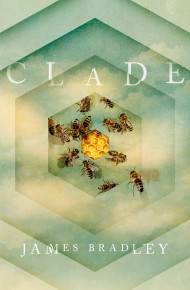
Today is the shortest day of the year here in Sydney, and the longest in the northern hemisphere. So I thought I’d celebrate with ‘Solstice’, the first chapter of Clade:
As Adam steps outside the cold strikes him like a physical thing, the shock still startling after all these weeks. For a moment he pauses, looking out across the bay, the crowding floes of ice. Then, adjusting his goggles, he descends the short ramp to the scoured stone upon which the building stands and strikes out towards the headland.
It is quiet out here today, the only sounds that disturb the silence those of the wind, the occasional squalling cry of the birds. Down by the water an elephant seal lies on the rocks, its vast bulk mottled and sluglike; around it tracks of human activity scar the snow like rust, turning it grey and red and dirty.
In the building behind him the other personnel are celebrating the solstice, an occurrence those stationed here have long observed with an extended meal and drinking and dancing. The event is a way of marking not just the date but the peculiar rhythms of life at the base, the annual cycle which means that from here on the arrivals will slow and departures increase, until only the skeleton crew who maintain the facility through the months of cold and darkness remain.
Passing the Klein-blue boxes of the power distribution units he finds himself wondering again about this tradition. Humans have observed the solstice for tens of thousands of years, but are those festivities truly celebrations, or something more ambivalent? Symbols of loss, of the running down of things? After all, the solstice also marks the beginning of summer’s end, the first intimation of the year’s long retreat back into the dark.
Beyond the last building the land opens out, the dirty grey of rock and mud and melting snow giving way to the white glare of ice. The wind is stronger here, and even colder, but he does not slow or turn aside; instead, closing his hand around the phone in his pocket, he shrugs his neck deeper into his collar and quickens his step. Read more (or just go crazy and buy it already)
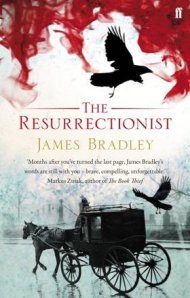
About fifteen years ago, when I was working The Resurrectionist, Ivor Indyk from Giramondo Publishing approached me and asked me whether I’d be interested in writing a piece about my work in progress for Heat. Although the book was slowly moving toward completion it had been an incredibly difficult process, both emotionally and creatively, and at first I wasn’t sure whether I really wanted to open up about how hard it had been. Eventually I decided I would, but in the process I found myself having to think about a whole series of questions about the way I worked, what I thought fiction did, and the ways in which my experiences with depression had shaped both the book and my life and work more generally.
I hadn’t thought about the piece for a long time, but recently I found myself going back to it after somebody asked me whether I’d ever written about process. Reading it again was surprisingly difficult – many of the feelings and experiences it discusses are ones I have no desire to revisit. But simultaneously I was struck by how little had changed, especially in regard to the mysteriousness of the actual process of writing:
“Novels – or at least the ones I am able to write – always seem to me to be curiously fragmentary things, at once prismatic and elusive. These pieces, these fragments, are part of a pattern, and they take their meaning from the whole, even as they reflect the whole within themselves. Finding these pieces, fitting them together, is not so much an act of creation as one of uncovering, of giving voice to something that is already there. This thing, the unwritten book, is like a potential, and to find it you need to learn to give way to the lines of force within it, the invisible tensions and attractors which give it its shape.”
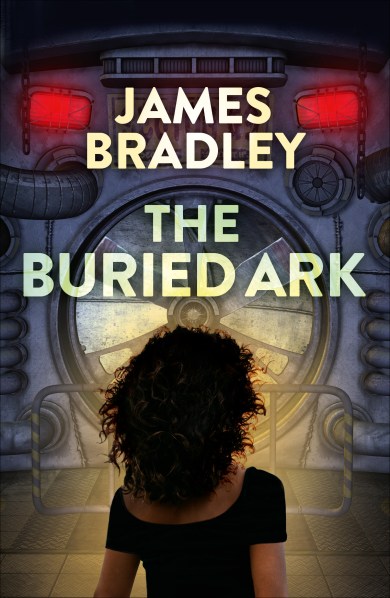
My latest novel, The Buried Ark, hits Australian bookstores today. It’s the second part of The Change Trilogy for young adults, and the sequel to last year’s The Silent Invasion.
The Buried Ark picks up immediately after the events at the end of The Silent Invasion. Callie has made it to the Zone, the region controlled by the alien presence of the Change, but only at the cost of everything she holds dear. Broken and alone she fights to survive in the alien landscape of the Zone, until a shocking discovery suggests a way of destroying the Change. Pursued by the Change she flees south again, only to find unexpected sanctuary in a secret installation known as the Ark. But the Ark is not quite what it seems, and before long Callie – and the entire planet – are in more danger than ever.
I’m really proud of it, and excited it’s finally in the world. When The Silent Invasion was published I said my plan was for each book in the trilogy to have a quite different focus and feel, so while The Silent Invasion is very intimate and closely focussed on the central characters and their journey north to the Zone, The Buried Ark would have global implications, and the final book would have a cosmic dimension.
I think – I hope – I’ve achieved that. The Buried Ark is bigger and more exciting than The Silent Invasion. But it’s also richer and stranger, and touches on a series of questions about the human and the inhuman, love and loss, and the weirdness and uncanniness of a world in which environmental change is dissolving the boundaries between us and the world we are destroying.
If you’re in Australia it’s available as an ebook, and at all good bookstores. Overseas readers should be able to buy it on Kindle. And if you’d like to read the first few chapters, they’re available on Wattpad (although don’t read them unless you’ve already read The Silent Invasion, since they will ruin its ending). You can also read a little bit about how I came to write the series.
And just in case you’re wondering, the third book will be out next year.
Because I’ve had my head down for a lot of this year I haven’t had much time for posting, but since it’s almost the new year I thought I might pull together some links and news.
The big news for this year was obviously the publication of my first YA novel, The Silent Invasion, which was released in Australia in April. It’s done well so far – it topped the bestseller lists in August and it’s just been longlisted for the Indie Awards (something I’m particularly thrilled about) – which has been great, especially since the second book in the series, The Buried Ark, will be out in April. If you’d like to know more about the series I wrote a piece about the inspiration for it to coincide with the publication of The Silent Invasion.
The other big news was the international publication of Clade by Titan Books in September. It’s had lovely reviews in various places, not least The Guardian and SFX, and I’ve done a number of interviews about it, most significantly for the fabulous Eco-Fiction and the Chicago Review of Books. I also did a long interview about climate change and fiction for Five Books, something that was doubly wonderful because I love the site so much (if you’ve never seen it I urge you to check it out: it’s an extraordinary resource).
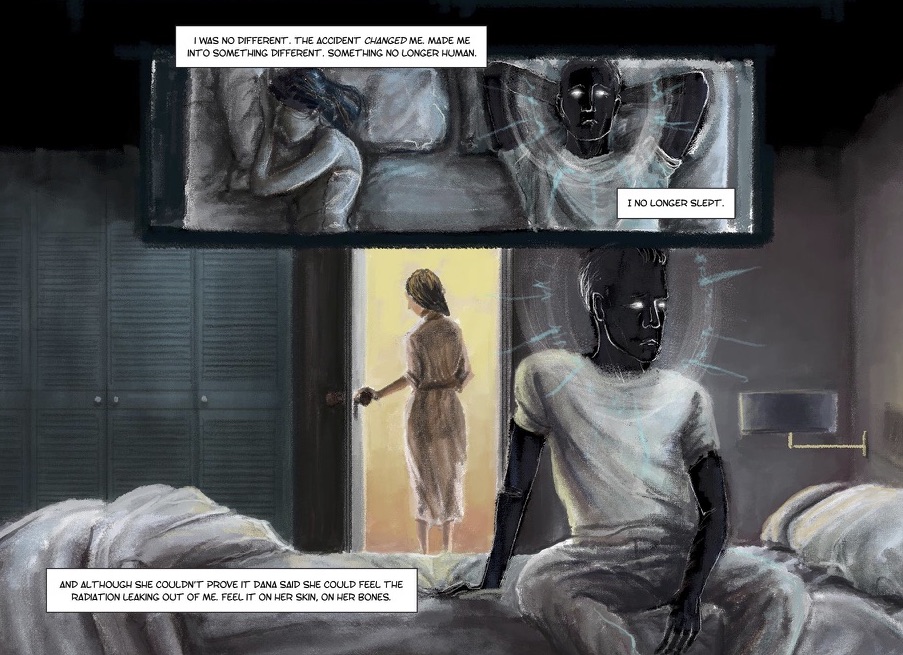
I also published The Death of Neutrino Man, a comic I created with artist Melanie Cook from a script I wrote a couple of years ago as part of a project sponsored by iF Book (an experience I wrote about at the time). You can buy it for 99c at Comixology or read it online for free. I’ve got a couple of other comic projects cooking away, so hopefully there will be more soon.
I’ll have more news about future projects, in particular The Buried Ark and my new adult novel in the new year. In the meantime I wish you all a very happy holiday season and all the best for 2018.
’The Changeling'
Appears in Jonathan Strahan's Fearsome Magics. Compare prices for the UK print edition and US print edition; also available for Kindle (US and UK) and most other ebook formats.




 I’m sure I’m not alone in feeling 2019 was a year when reading felt necessary, not so much as an escape from the world, but because the kinds of truths it communicates so often seemed an antidote to the increasingly demented and distracted world around us.
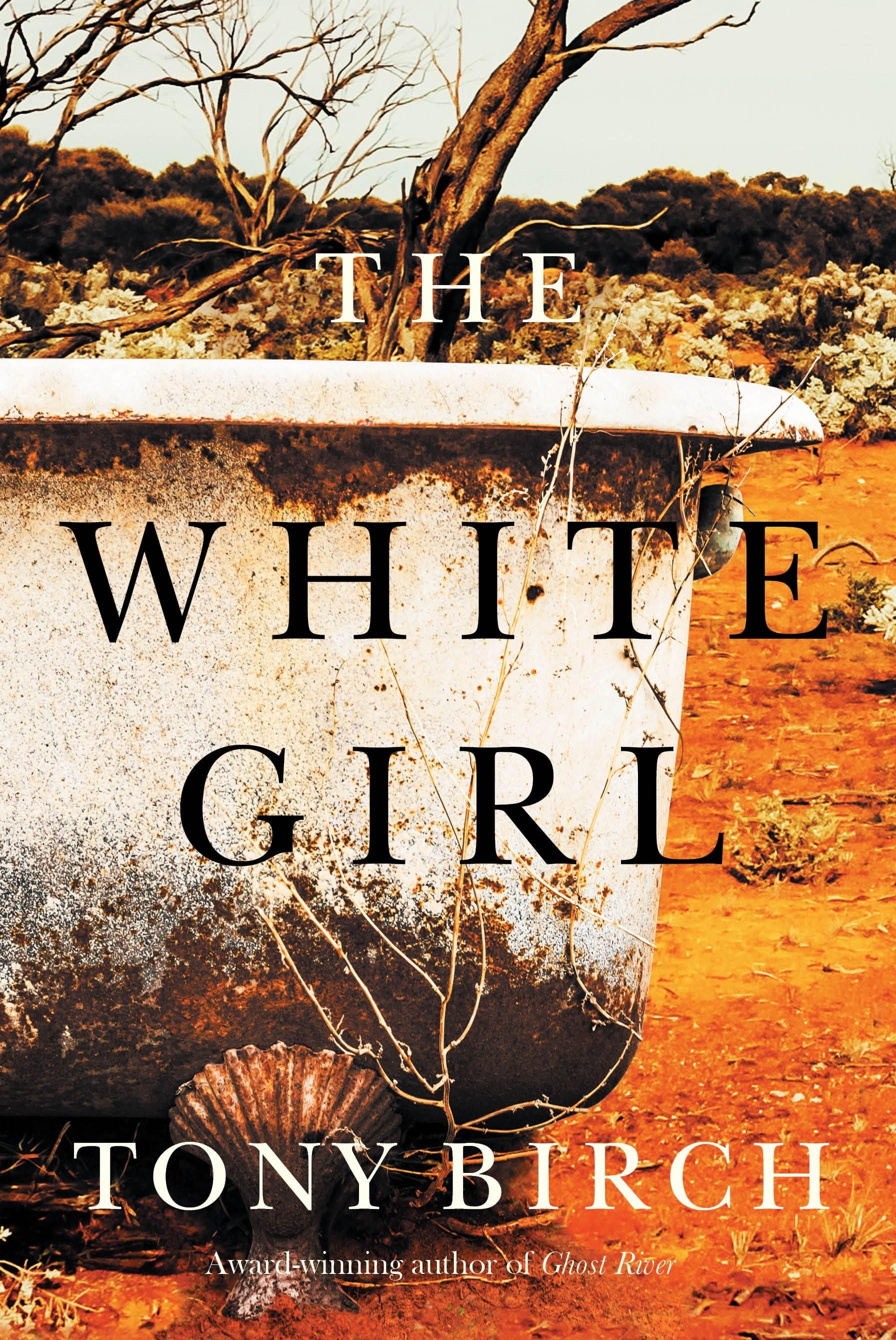 Other books I loved included Tony Birch’s The White Girl, a book whose power lies not just in its subject matter, but in the devastating simplicity and clarity of Birch’s storytelling; Bernadine Evaristo’s Man Booker-winning Girl, Woman, Other; Wendy Erskine’s marvellously compressed and blackly hilarious Sweet Home (seek it out); and Taffy Brodesser-Akner’s portrait of New York life amongst the super-rich, Fleishman is in Trouble, a book that subverts the reader’s expectations in fascinating ways. Likewise I greatly enjoyed Laila Lalami’s The Other Americans, Sean Williams’ Impossible Music, and (although I suspect it’s not the best of the Jackson Brodie books) I loved every moment of Kate Atkinson’s Big Sky.
 Sadly I was less excited by the final instalment in Karl Ove Knausgaard’s My Struggle, The End. Partly that was to do with the surfaces of the prose – in contrast to the deliberately artless language of the first five volumes a lot of The End has the slightly-too-buffed tone of a New Yorker profile – but it was also because it often felt like the book was rehearsing Knausgaard’s greatest hits (Here I am doing domesticity in excruciating detail! Here I am worrying about my art!). But in the end, even despite moments of brilliance, it just didn’t feel substantial enough to address the concerns that are so wrenchingly explored in the first five.
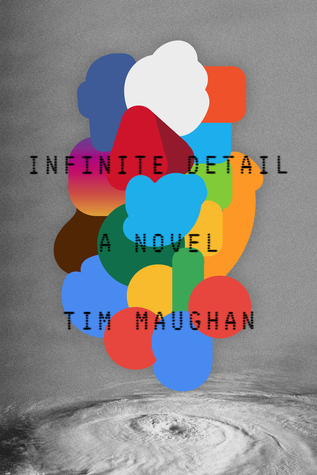 Of the speculative fiction I read the two standouts were Tim Maughan’s Infinite Detail and Chuck Wendig’s Wanderers. If you haven’t read the Maughan, make the time: it’s a startlingly intelligent and profoundly political interrogation of surveillance culture and late capitalism. The Wendig is also wonderful: a seamless fusion of horror and science fiction that manages to be oddly timeless and incredibly topical. Ted Chiang’s Exhalation and Helen Phillips’ The Need are also terrific, as are Garth Nix’s wildly enjoyable Angel Mage and Margaret Morgan’s sleekly subversive The Second Cure, a book that feels more prescient almost by the hour. And although it seems to have passed a lot of people by, Ann Leckie’s The Raven Tower is an absolutely fascinating exercise in what is as much a form of environmental writing as fantasy.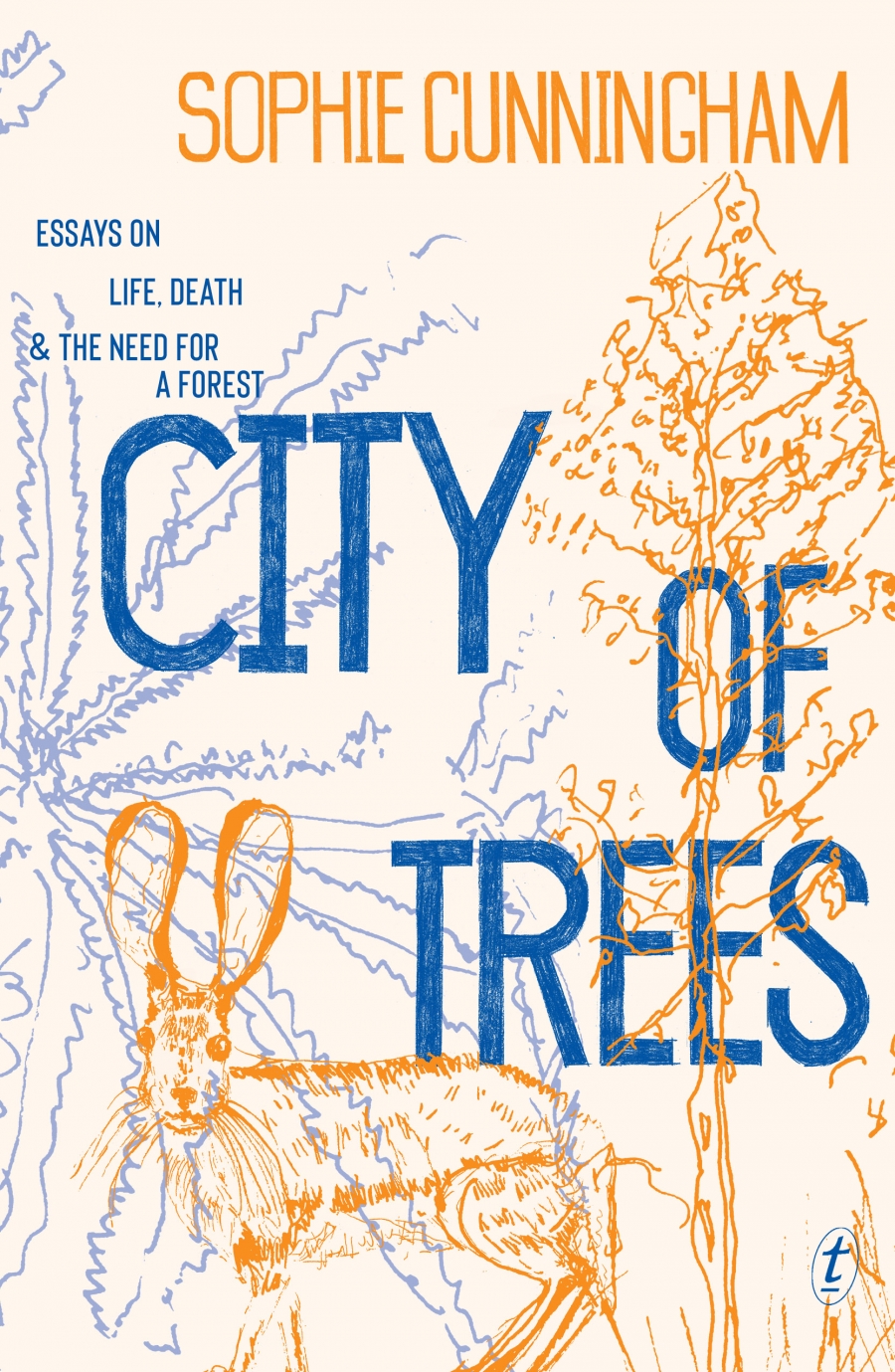
 As promised the other day, I thought I’d do a quick roundup of some of the books I enjoyed most this year. Right at the top of my list are two books I loved quite immoderately, Richard Powers’
  A number of the Australian books I read this year were from last year as well; I particularly admired Michelle de Kretser’s The Life to Come, Ryan O’Neill’s
  And finally, my non-fiction reading was a bit spotty, but a lot of what I did read was terrific, and of that, the absolute highlights were Caspar Henderson’s prismatic A New Map of Wonders, Joy McCann’s wonderfully rich and expansive history of the Southern Ocean,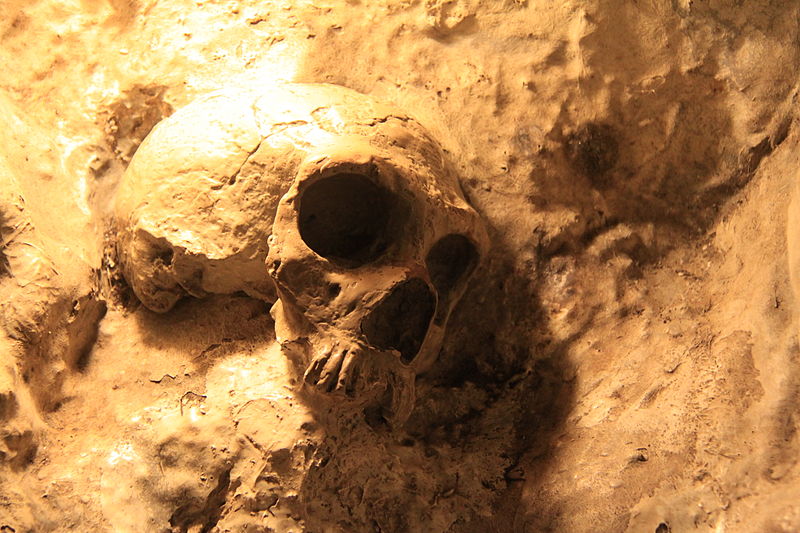
 About fifteen years ago, when I was working The Resurrectionist, Ivor Indyk from Giramondo Publishing approached me and asked me whether I’d be interested in writing a piece about my work in progress for Heat. Although the book was slowly moving toward completion it had been an incredibly difficult process, both emotionally and creatively, and at first I wasn’t sure whether I really wanted to open up about how hard it had been. Eventually I decided I would, but in the process I found myself having to think about a whole series of questions about the way I worked, what I thought fiction did, and the ways in which my experiences with depression had shaped both the book and my life and work more generally.
 My latest novel,



 city of tongues